The Hunters: German U-Boats at War, 1939-43 - Patrol 9 (May 1941)
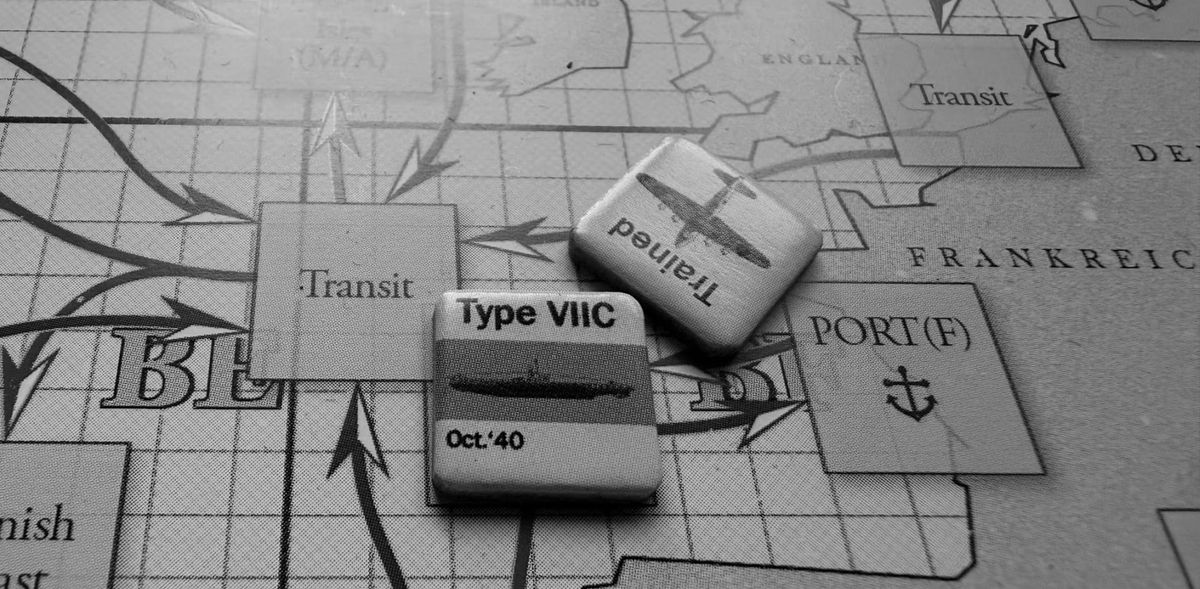
1/5/1941
We sailed from St. Nazaire assigned once more to the Atlantic.
The Bay of Biscay outbound and the transit were quiet. So were all four Atlantic patrol sectors. Four empty boxes in succession. Not a single sighting and not a single report from B-Dienst. It was like the entire British Merchant Navy had vanished overnight. We attempted a resupply in the hope of extending the patrol and spotting at least something, but failed to locate even the supply ship and turned for home.
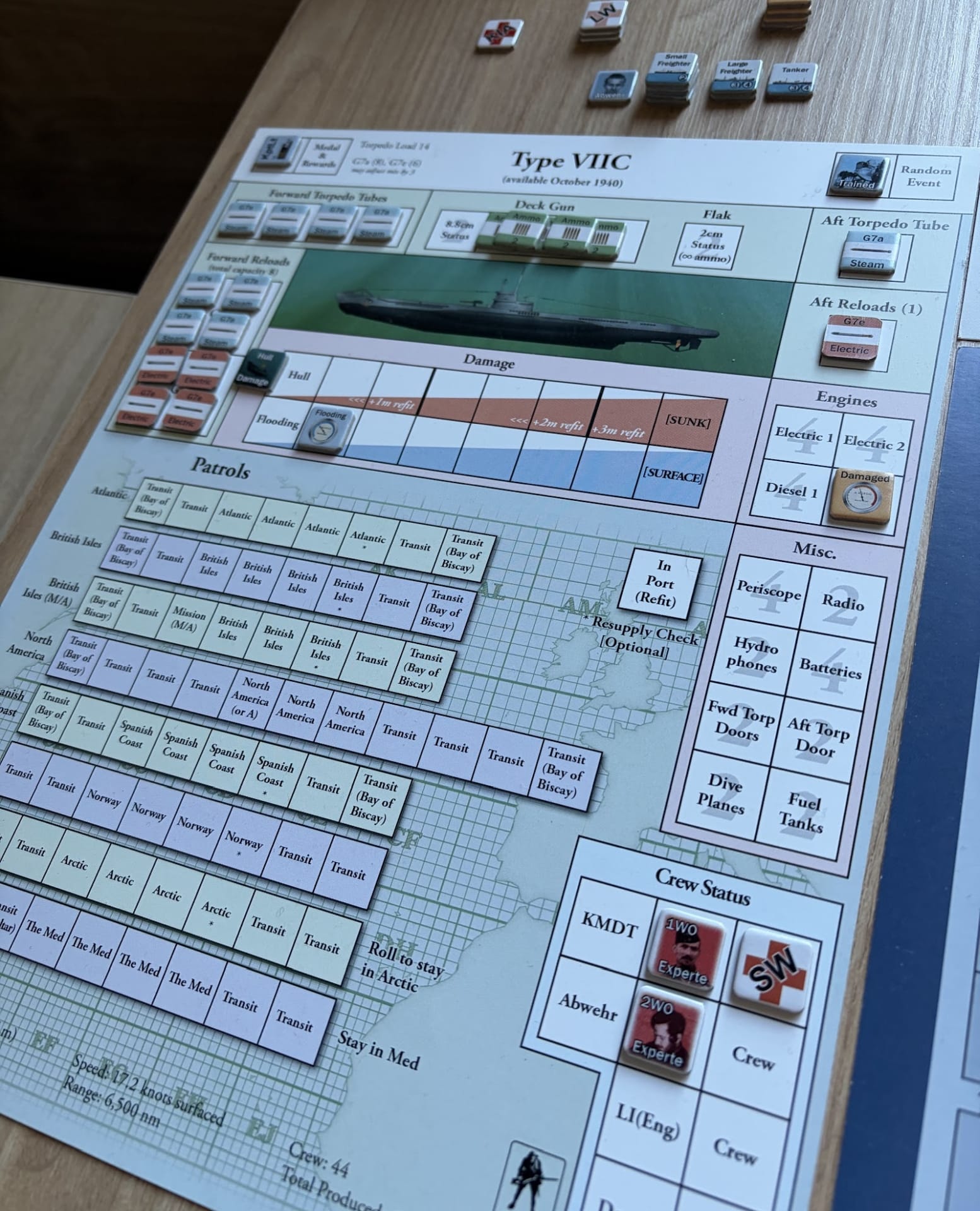
The inbound transit remained empty. In the Bay of Biscay a RAF Coastal Command Sunderland found us. The aircraft was well handled. Its attack damaged Diesel Engine No. 2 and caused substantial flooding. Obergefreiter Edgar Schott was severely wounded in the exchange.
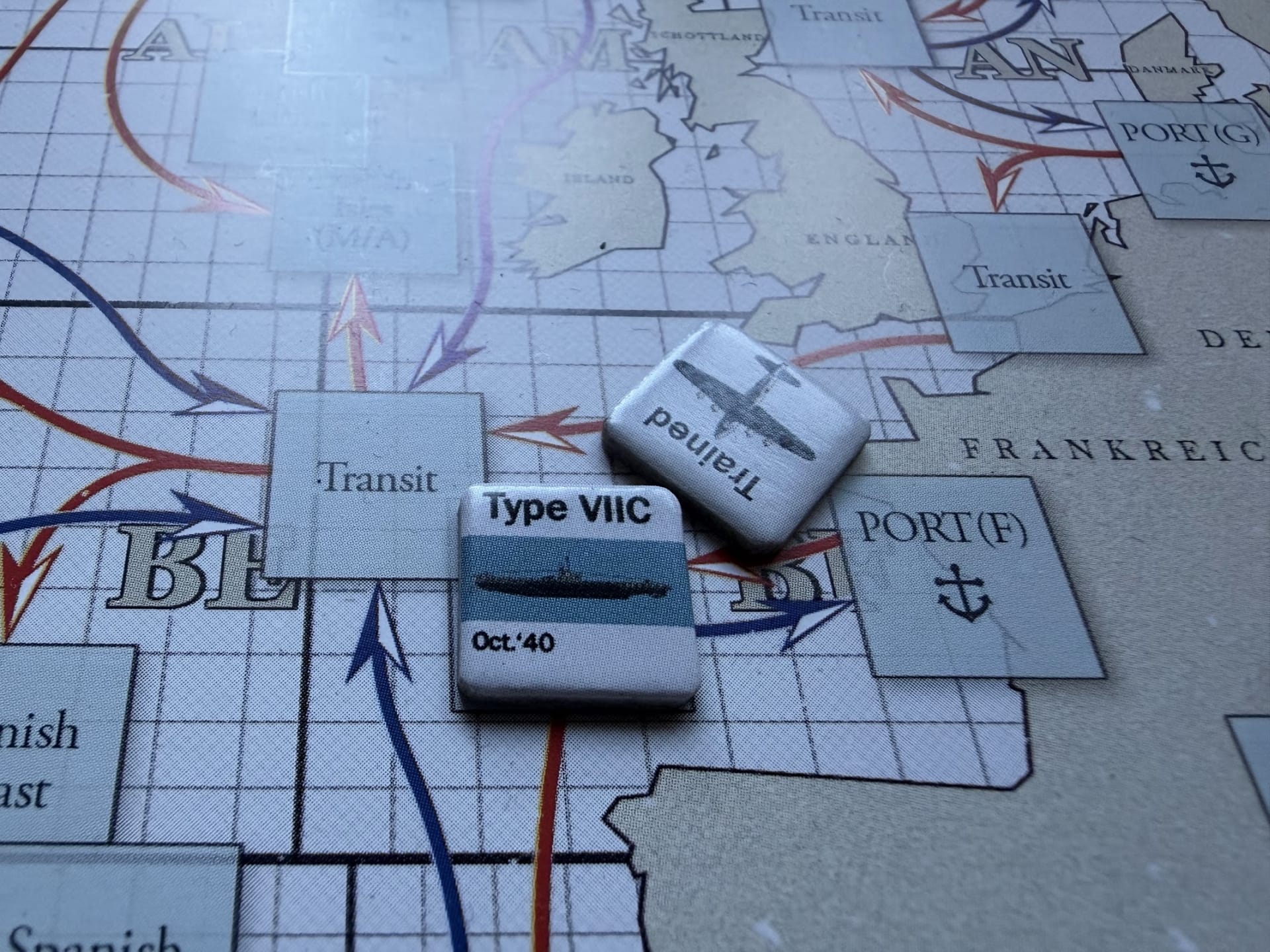
As the flying boat swept past, the anti-aircraft crews put a solid burst into it. The Sunderland caught fire and went down.
The engineers restored Diesel No. 2 to working order before we reached port. We entered St. Nazaire without further incident.
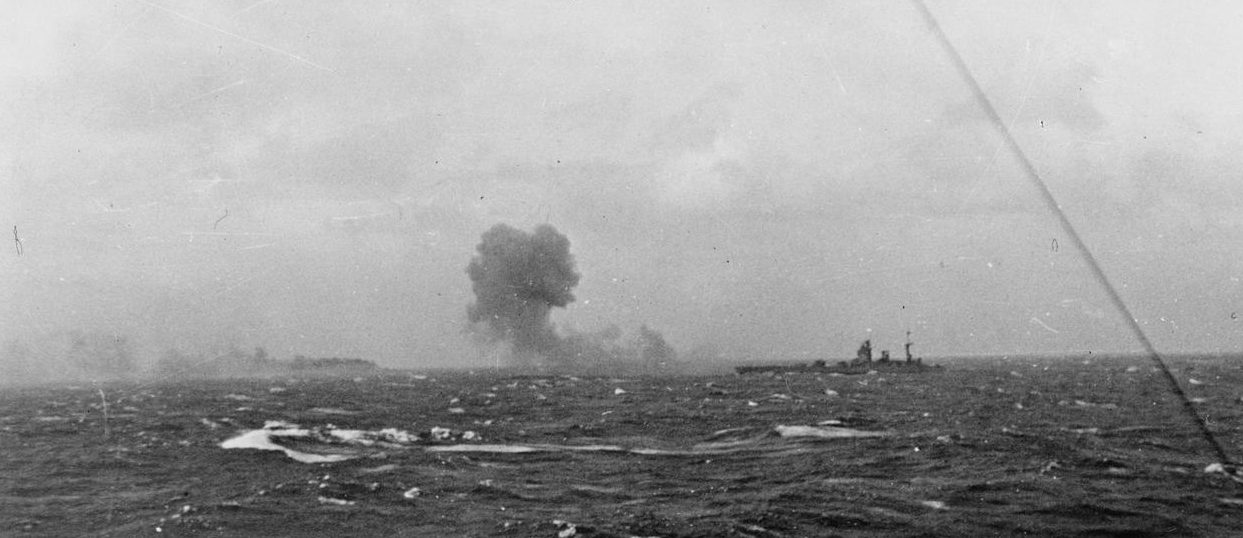
Grim news awaited us at home. Following a valiant battle that resulting in the sinking of the HMS Hood, the KMS Bismarck was sunk in the Atlantic by the Royal Navy. We imagine that this severe loss will have serious consequences for Admiral Raeder and we could see a massive shake-up in the higher echelons of Kriegsmarine command.
The watch crews were chastised for failing to sight a single ship across the entire patrol. We didn't take this too personally, however. The tonnage war is a team effort, and we need good, actionable intelligence, which didn't make its way to use this time. Command did, however, commend the aggression and proficiency of the AA gunners for bringing down the aircraft. At least we returned with something to show for the effort.
Word is circulating that U-boat operations are beginning to shift into the Mediterranean. The likelihood of re-assignment appears to be rising. We also get the sense that an invasion of the Soviet Union, to deal with our sworn enemies in Bolshevism, is just around a corner. Unfortunately this means yet another front will be opening up.
Obergefreiter Schott’s wounds are serious, but the doctors expect a relatively swift recovery. He should be back from hospital in time to sail with us on Patrol 10 in July, and will receive the Wound Badge as a consolation.
Thankfully the damage from the air attack wasn't too severe, and we'll be back at sea in just over a month.
Command advises that we can expect our operational assignments to shift away from the British Isles into the deeper Atlantic more frequently now, but there is still a strong likelihood of assignment to the Mediterranean with German troops now being fully committed to the North Africa and Balkan theatres. With war against the Soviet Union looming on the horizon, there's also a possibility of being assigned to Arctic patrols.
Context
The months of May and June 1941 saw continued pressure on Allied shipping, but major events temporarily disrupted the normal pattern of U-boat operations.
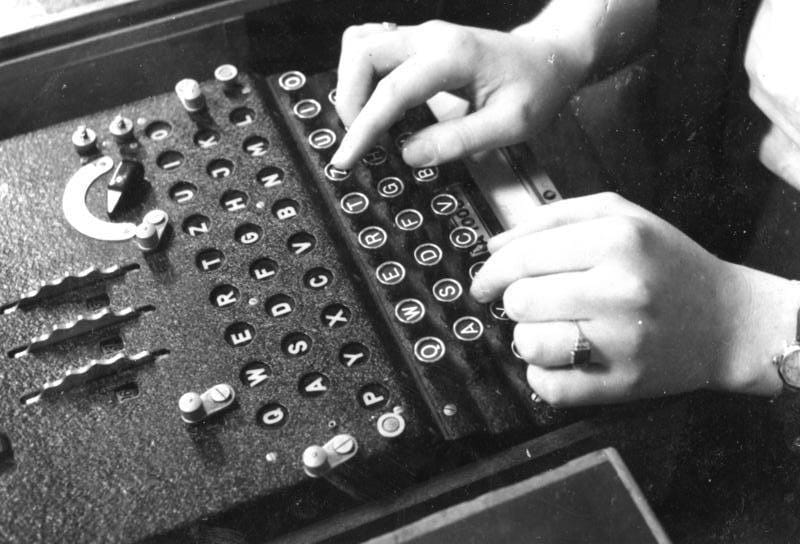
In early May the British captured U-110 after a depth-charge attack. Codebooks and an Enigma machine were recovered intact, a critical intelligence success that remained secret at the time.
Later in the month the entire Atlantic theatre was overshadowed by the breakout of the battleship Bismarck and heavy cruiser Prinz Eugen. After sinking HMS Hood on 24 May, Bismarck herself was hunted down and destroyed on 27 May. U-boats were ordered into supporting patrol lines but achieved little; the massive Allied concentration of forces and the temporary diversion of convoys sharply reduced normal U-boat opportunities in the final days of May.
By June the tempo had settled again. Escort groups and air cover continued to improve, making independent and poorly escorted targets harder to find. Sinkings remained significant but the easy conditions of the previous year were firmly over.
In other theatres, the war continued with the Battle of Crete which was fought in May. On 22 June Germany launched Operation Barbarossa, the invasion of the Soviet Union, opening a vast new front. Fighting in North Africa continued.
Commentary
We had some bad luck with this patrol, I rolled 3 consecutive 8's on the encounter chart for the Atlantic, followed by a 5, all resulting in no sightings.
There wasn't much for us to do here except to attempt a resupply at very slim odds, which we failed of course.
The Bismarck event occuring at the same time as our patrol gives a nice narrative explanation for our lack of sightings, as convoys were being redirected from their usual routes while the Bismarck threat was being dealt with.