The Hunters: German U-Boats at War, 1939-43 - Patrol 8 (February 1941)
1/2/1941
We departed Kiel in our new boat, U-77, assigned once more to the Atlantic.
Both transit legs were quiet.
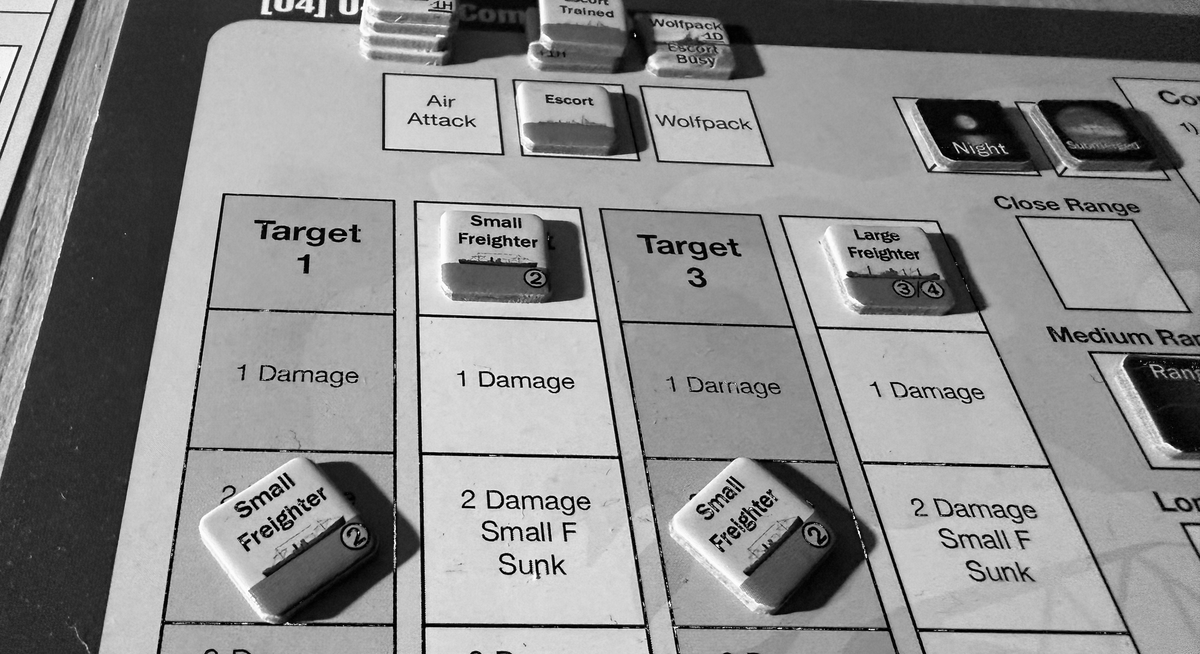
In the first Atlantic sector we found a convoy in daylight. Yselhaven (4,800 tons), Havtor (1,500 tons), Eastlea (4,300 tons) and the large freighter Treverbyn (6,700 tons). Nothing truly outstanding. Our strength lies at night, when the wakes of the steam torpedoes are far harder to spot, daylight attacks with G7As are simply too risky with the new Allied detection measures. I ordered us to shadow until dark.
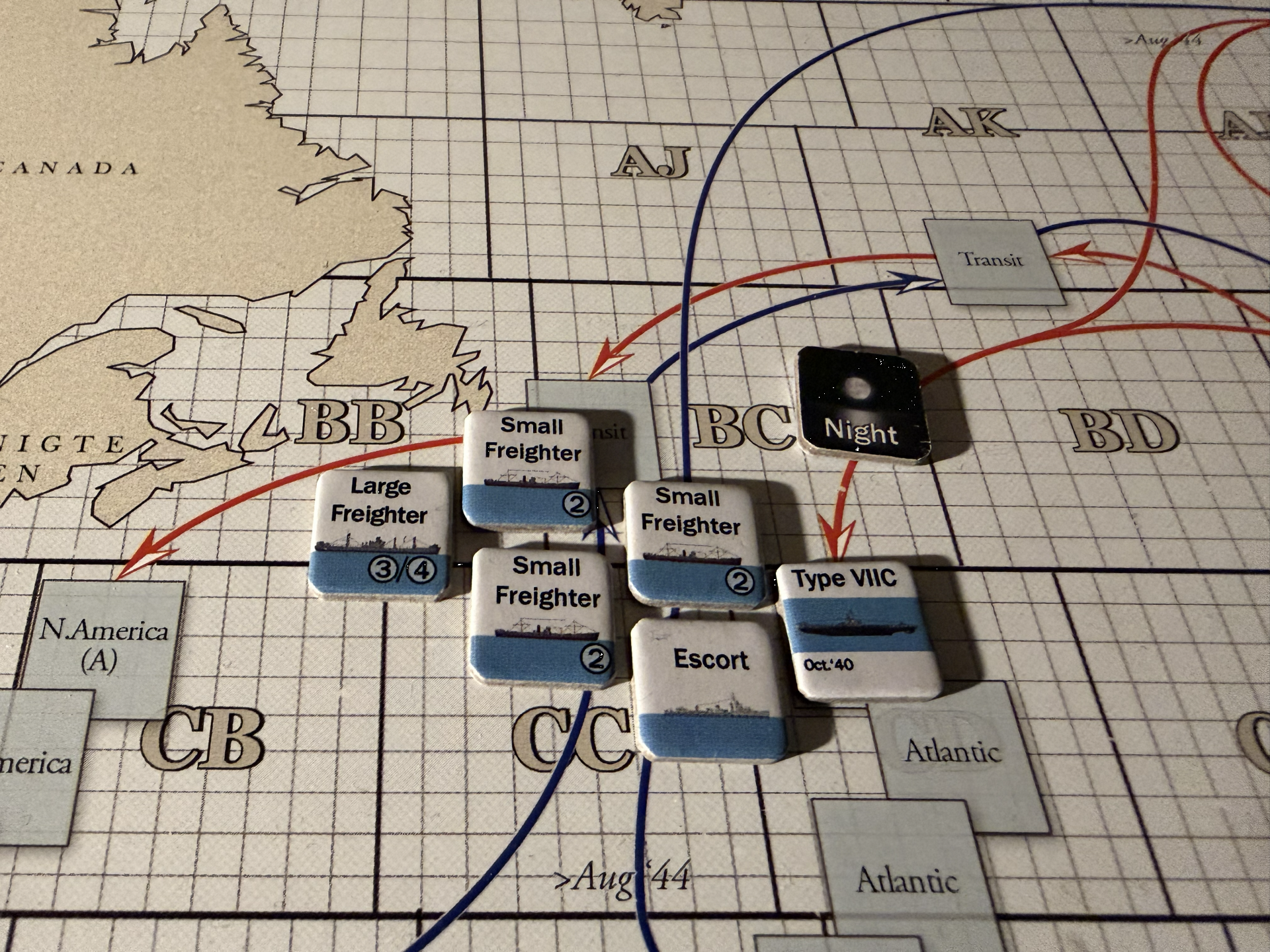
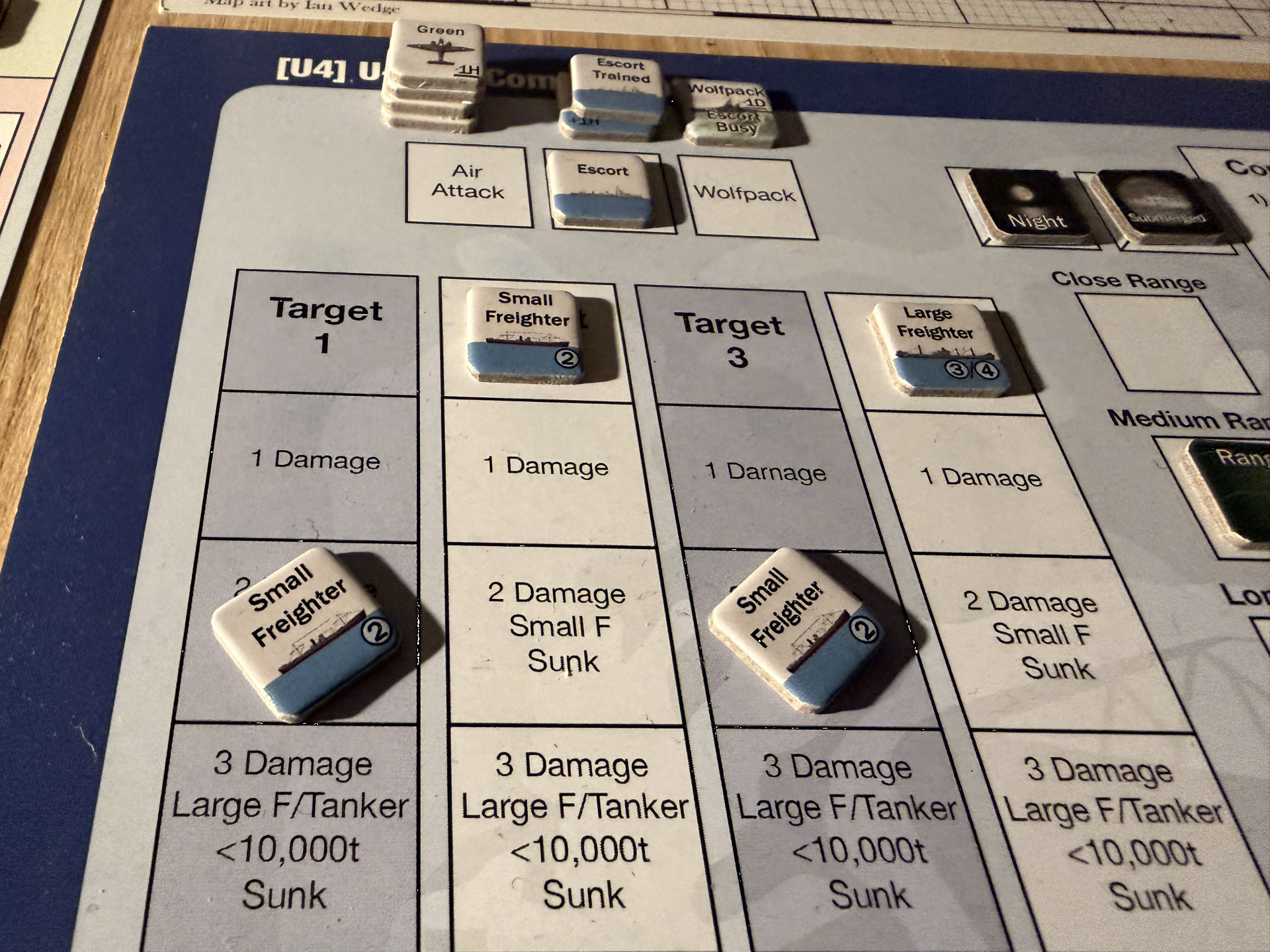
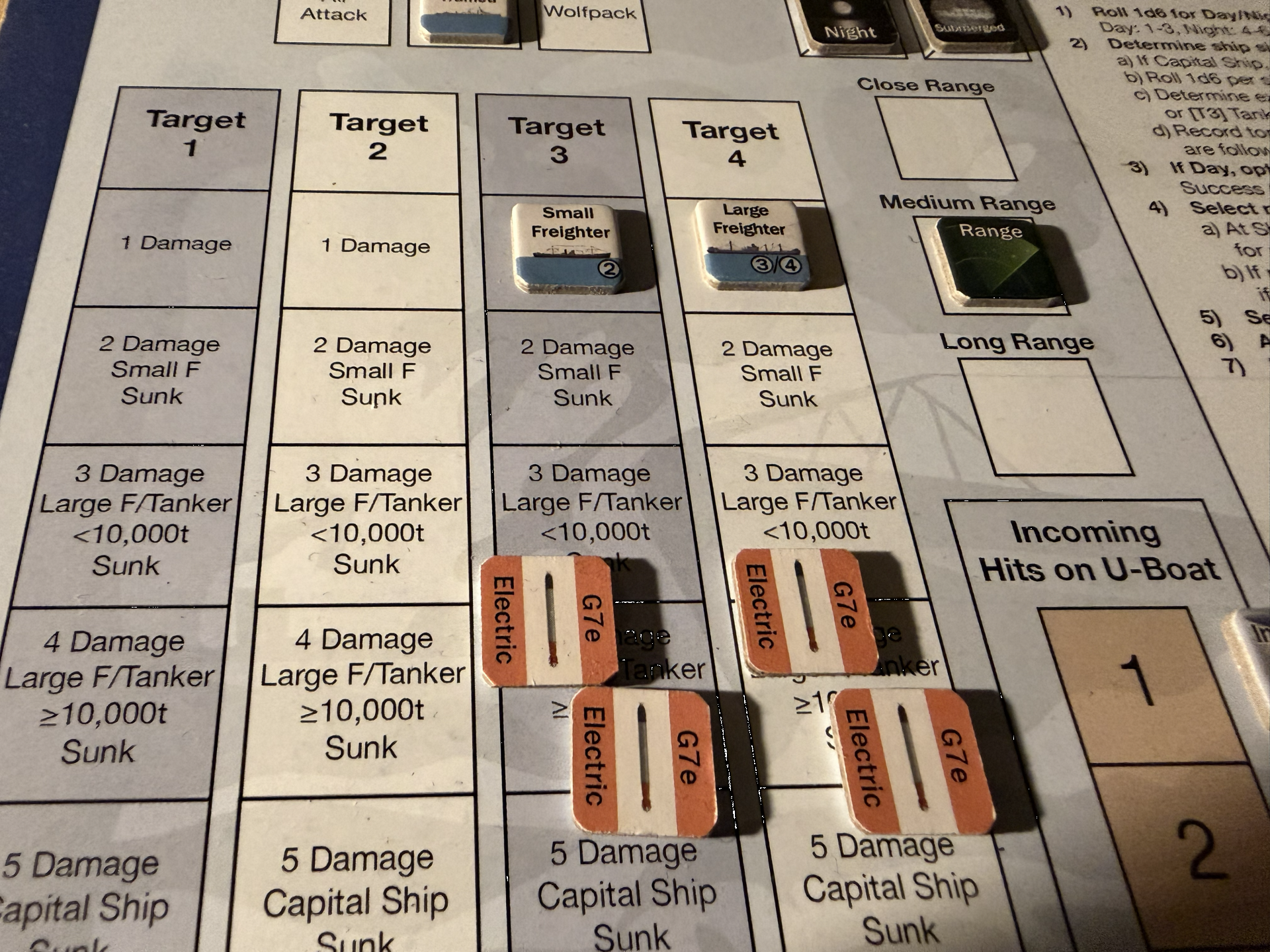
We succeeded. At night I closed to medium range at periscope depth. Yselhaven and Eastlea looked the best of the available targets. Two forward G7As against each. All four ran true. Two were duds,one against each ship. The remaining pair detonated with spectacular force, breaking both freighters cleanly in half. They went down almost at once.
Then the evasion game began. The escort was competent, yet we managed to lose him, he was still depth-charging well astern of us when we slipped clear.
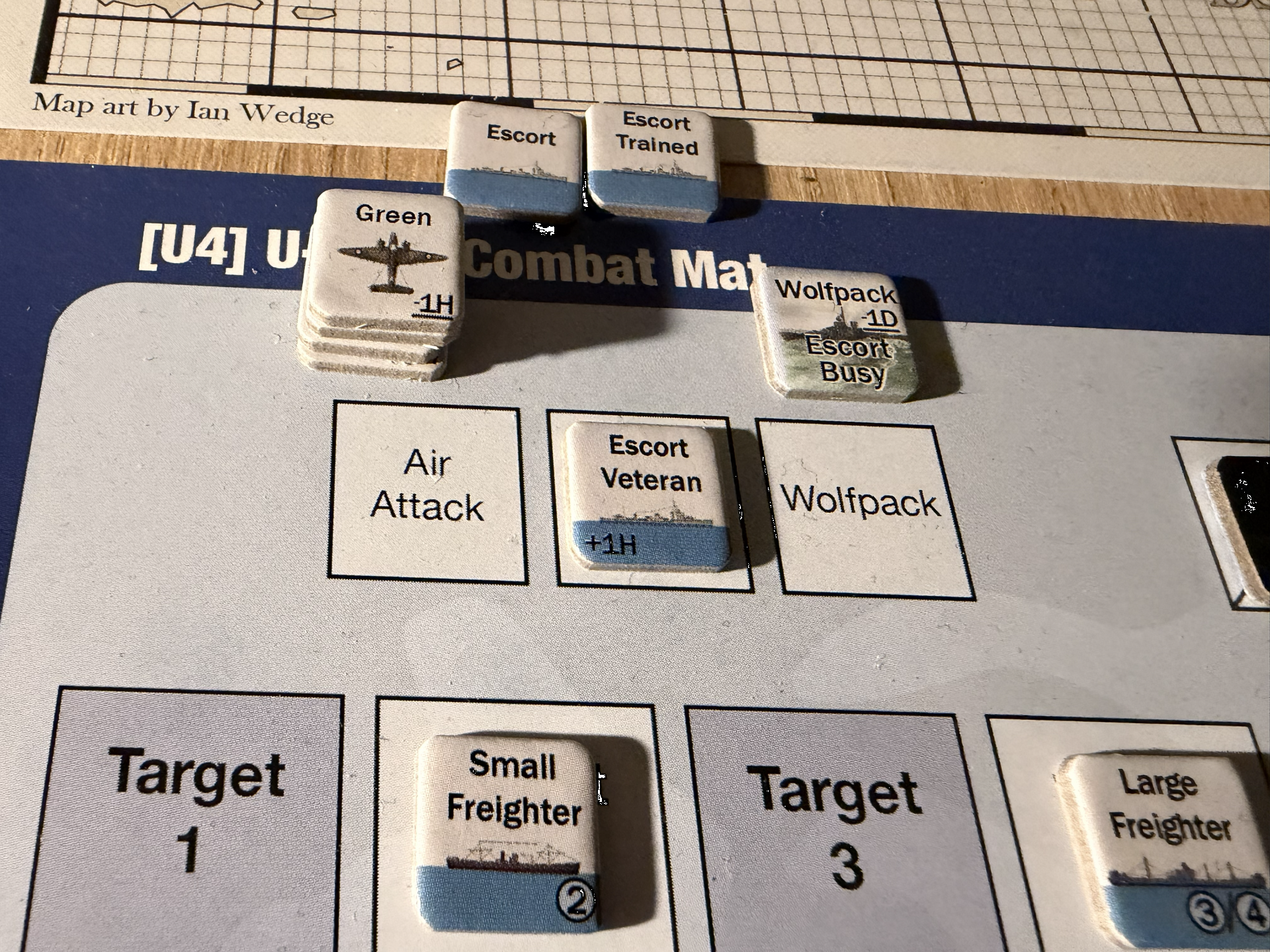
We held contact and followed. As the sun rose a new set of ships appeared, the Kavak (2,800 tons), Merisaar (2,100 tons), Ogontz (5,000 tons) and Empire Howard (7,000 tons). Again the convoy seemed heavy with small freighters and short on really valuable targets. Once more we shadowed successfully until nightfall.
I repeated the same approach atmedium range, periscope depth, and allocated two forward G7As to Ogontz and two to Empire Howard. Against Ogontz one hit and one miss, against Empire Howard both hit, though one proved a dud. The detonations that did occur were disappointingly weak. Both ships remained afloat and barely slowed.
This time the escort gained a solid fix. We pulled hard to starboard while he turned to port. The depth charges landed well clear to our port side and did no harm. Still, with a fix established I took her deep, beyond test depth. The explosions faded. We had lost him again.
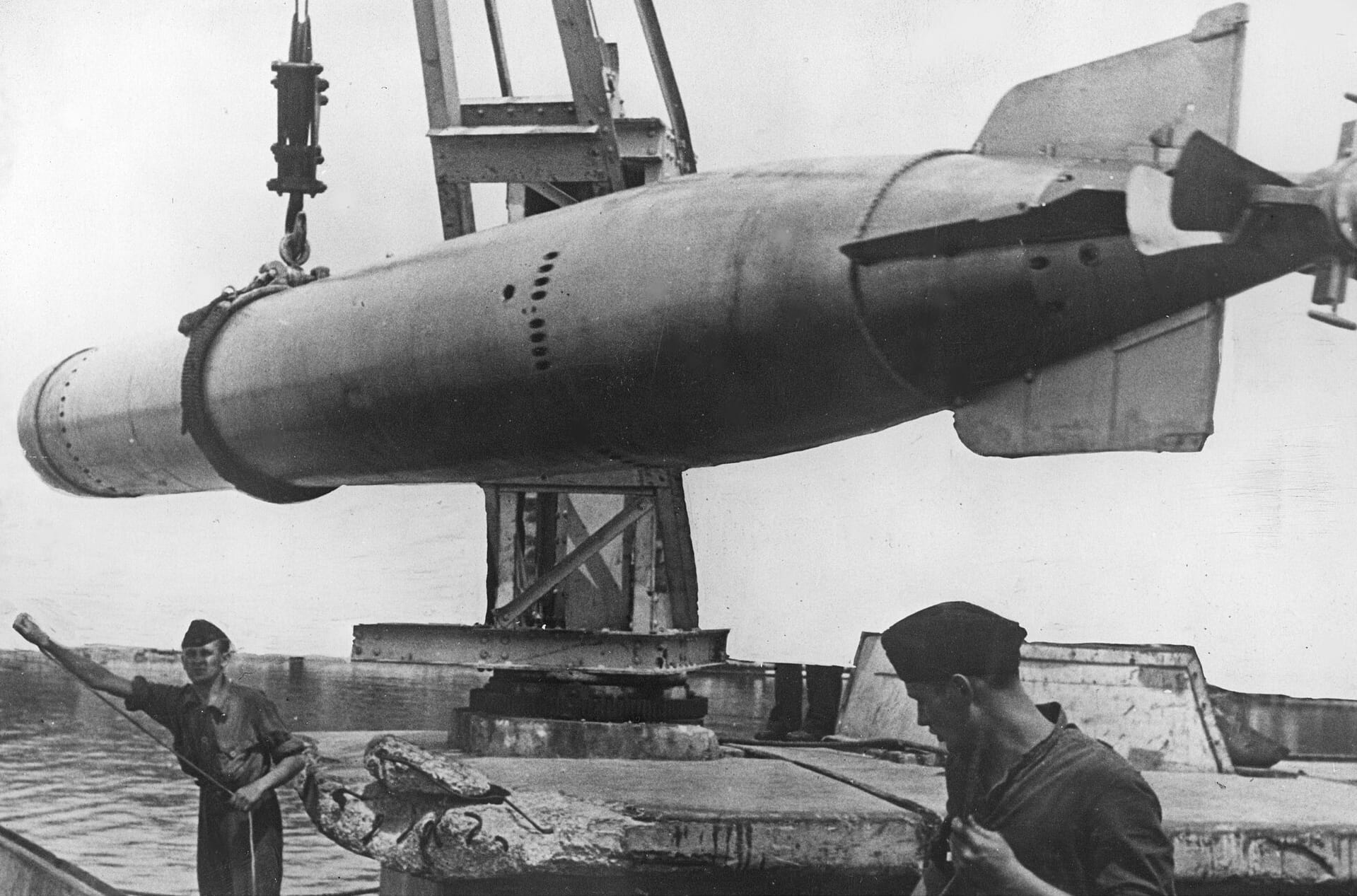
Most of the convoy drew away, but the damaged Ogontz and Empire Howard continued under escort. Only four forward torpedoes remained, all G7E electrics, slower and therefore harder to aim. I stayed at medium range and periscope depth, less hopeful of clean hits, and fired two against each. One miss and one hit on Ogontz, the same on Empire Howard. Both electrics detonated. The improvement in their reliability was unmistakable. Ogontz went under. Empire Howard stubbornly stayed afloat.
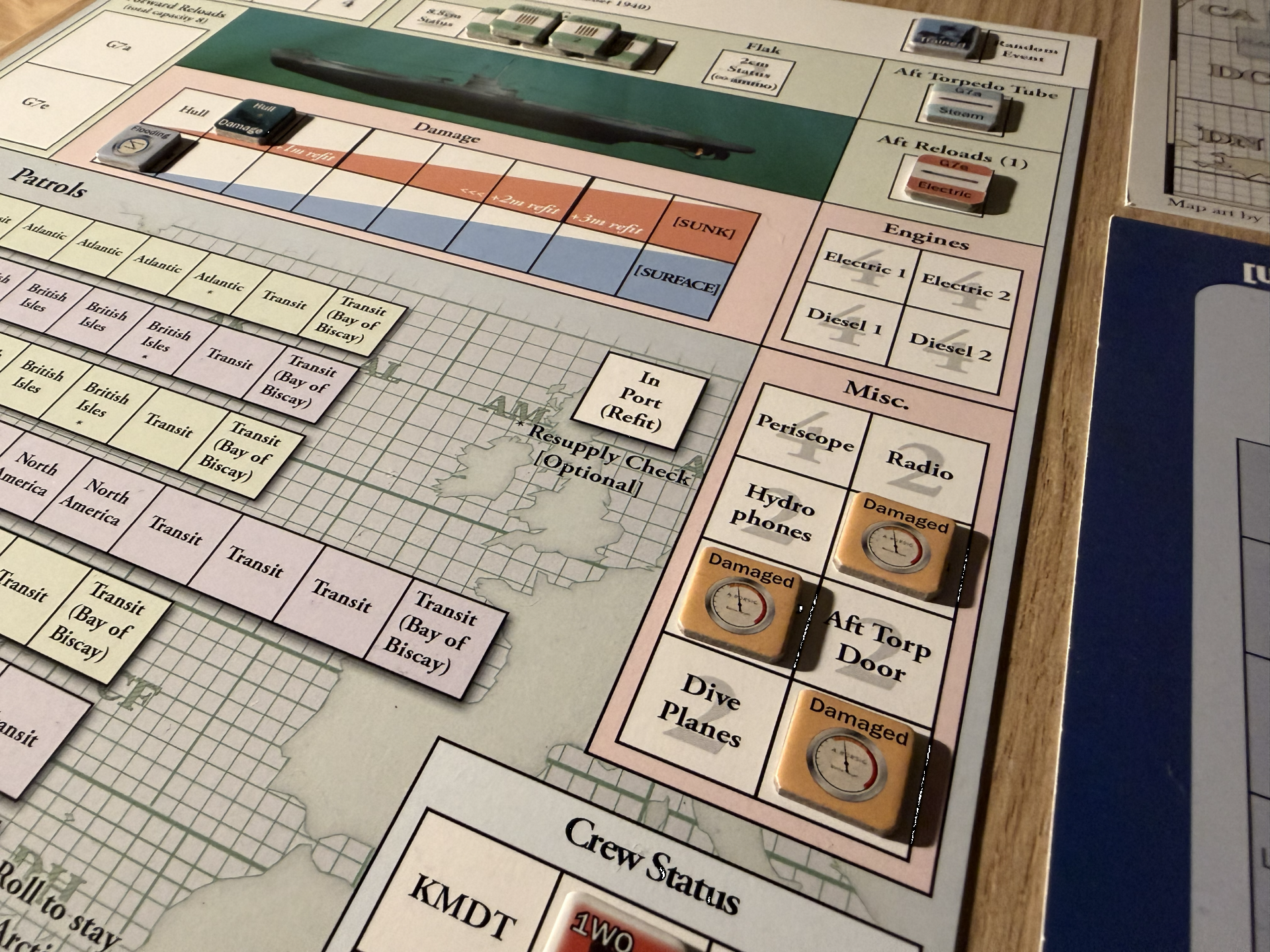
The escort found us once more. We turned hard to port and he matched the turn perfectly. Four depth charges detonated right alongside. The boat was rocked violently. Batteries split open, a fuel tank ruptured, the forward torpedo doors were smashed, and flooding began in earnest. The damage-control parties worked with excellent speed and stemmed the water before it became catastrophic.
Fuel leaking to the surface and the escort still holding a good picture of us left no choice. I took her deep again. The hull was already compromised from the earlier deep dive and I could only hope she would hold. She did. Once more the escort lost us.
We put distance between ourselves and the convoy while the crew worked on repairs. The batteries were patched. The forward torpedo doors would need the yard but fortunately every forward tube was already empty. The fuel tanks proved difficult but were made serviceable, we had not lost a critical amount. The water that had entered was pumped out.
Empire Howard was still limping along under escort. We had a single aft torpedo left. For a moment I considered a long-range periscope shot followed by an immediate deep dive. On reflection I broke off. Risking a battered hull simply to finish a damaged freighter made little sense, that is the sort of gamble one takes while already under depth-charge attack, not for the sake of one more kill.
We left the scene and continued the patrol, now limited by damage and remaining ammunition to any lone ships we might find. The seas were busy. In the second, third and fourth Atlantic sectors we sighted three further convoys. Each time we could only keep our distance and watch them pass. Four convoys on a single patrol, and three of them left untouched. I found myself wondering whether we should have held back against those earlier, smaller freighters and saved the torpedoes for something more worthwhile.
The inbound transit and the Bay of Biscay were quiet. We reached our new home at St. Nazaire without further incident.
Three ships sunk for 14,100 tons. Korvettenkapitän Herbert Sohler took me aside and said that the boat and crew had certainly earned their place among the ranks of the U-Bootwaffe and that he was glad to have us. After the denied promotion three months earlier, his words lifted a weight from my shoulders.
Even so, the torpedoes continue to disappoint. A 33.3% dud rate is still far higher than it should be. Accuracy, at least, held at 75%. The evasion work was harder this time, we shall have to stay sharp. I have the clear sense that this war is only going to grow more difficult.
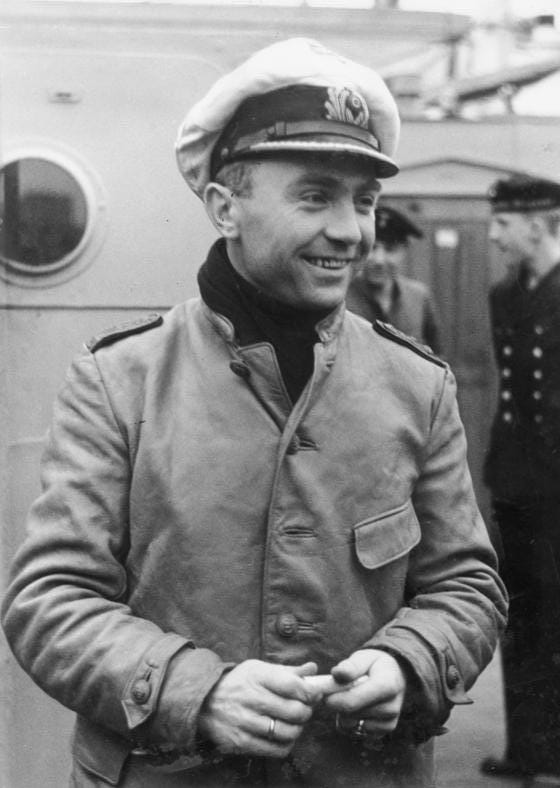
Our newest transfer, Matrose Dieter Mayer, received his U-boat War Badge.The beating the hull took will keep U-77 in the yards until May 1941.
Context
The three months of February through to April 1941 marked a clear turning point. Sinkings remained high, but the easy successes of the previous autumn were ending. Allied escorts were becoming more numerous, better organised and more aggressive. Air cover continued to expand, and the first practical benefits of improved radar and direction-finding were beginning to appear.
The decisive blow came in March. Within ten days the U-Bootwaffe lost three of its leading aces: Günther Prien (U-47) went missing on 7 March, while on 17 March Joachim Schepke was killed and Otto Kretschmer captured when their boats were sunk by British escort groups. The sudden loss of these three highly experienced commanders was a severe shock to Dönitz and the entire force.
Surface forces also played a role. The battlecruisers Scharnhorst and Gneisenau conducted a successful Atlantic commerce-raiding cruise (Operation Berlin) from late January into March, accounting for roughly twenty-two ships before putting into Brest.
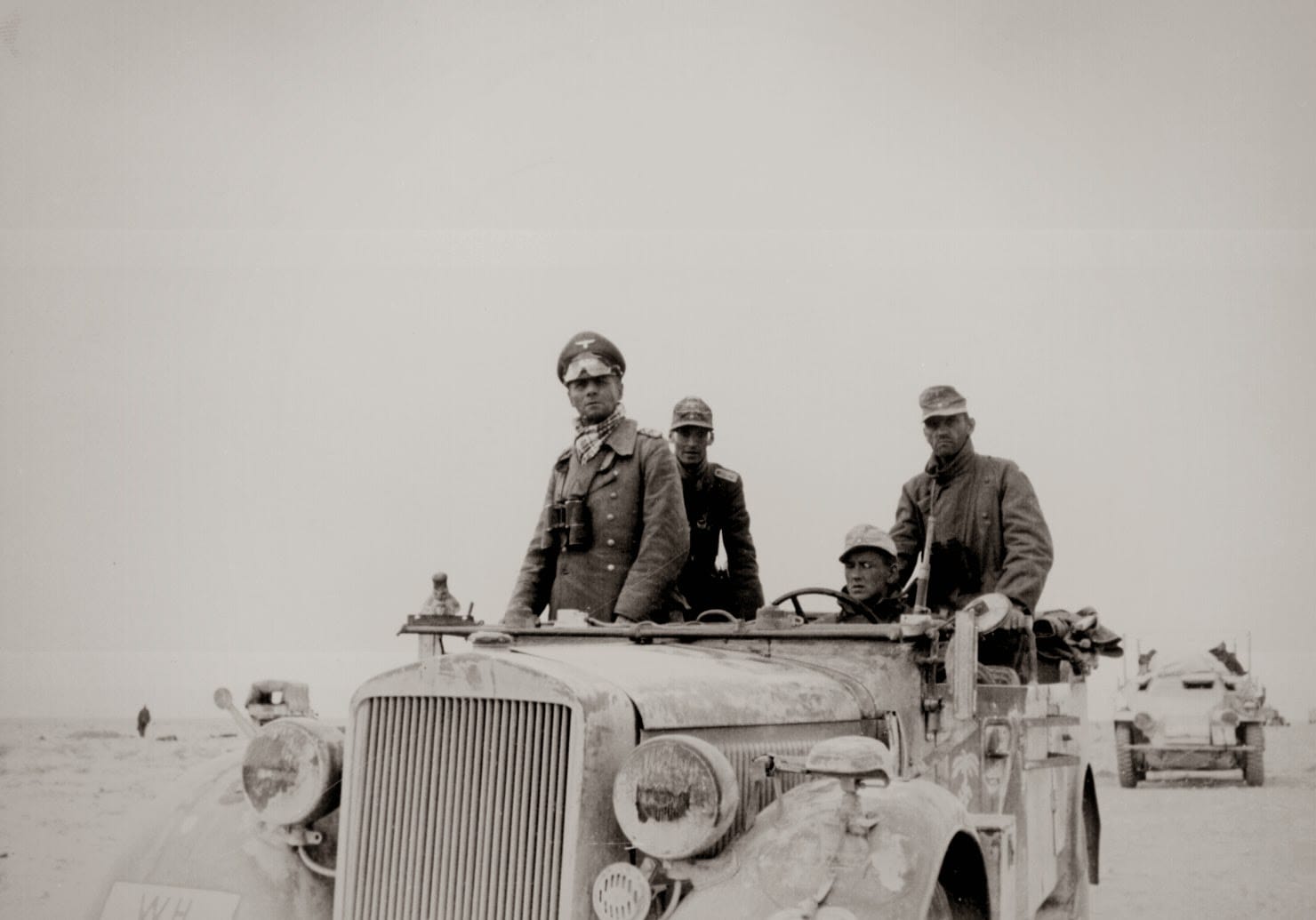
In North Africa, Rommel arrived in Libya in February and quickly launched a counter-offensive that reversed earlier British gains. In April Germany invaded Yugoslavia and Greece, opening the Balkan campaign. The Blitz against British cities continued, though its intensity was beginning to ease.
Commentary
Main points on this patrol have all been around mitigating risk. We had an initial opportunity to attack a convoy at daylight. We still have a long way to go in the campaign, so there's no place for rash aggression, hence the decision to wait until night time, even if there is a chance we could lose our targets. With our shift into the Atlantic, there's a good chance we'll run into many more convoys in the future.
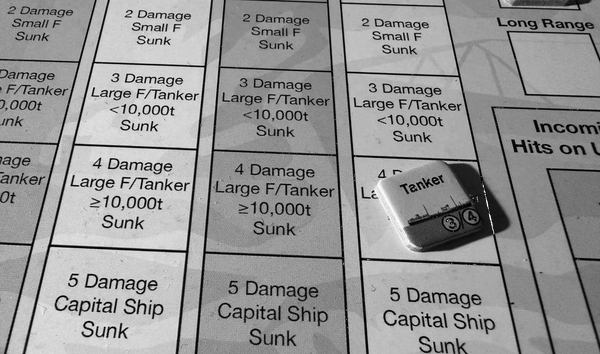
The next point is around picking targets when presenting with a convoy. Often there are juicier targets about, but we have to weigh our likelihood of getting an actual sinking too. Small Freighters require 2 points of damage to sink, whereas Large Freighters can require 3 or 4 points, depending on whether they're over or under 10,000 tons, so it becomes an exercise of weighing up damage required/ton, and as a result a Small Freighter of 5,000 tons becoomes a marginally more attractive target than a Large Freighter of 7,000 tons (2,500 tons/damage vs 2,333 tons/damage).
Our other main decision point was in deciding to break off the pursuit of the crippled Empire Howard. As I already said, we were left with a single aft torpedo and already in bad shape. I initially entertained the thought of re-engaging but that immediately became an obviously bad idea, better to break off and live to fight another day.