The Hunters: German U-Boats at War, 1939-43 - Patrol 5 (July 1940)
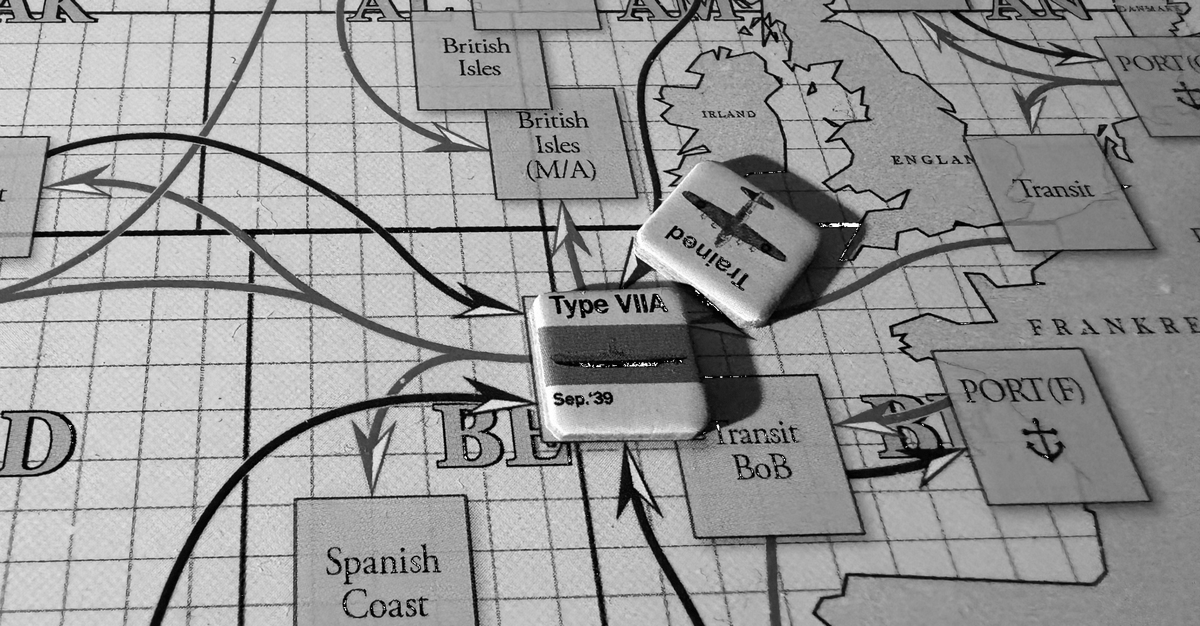
1/7/1940
We sailed from Wilhelmshaven bound for the Atlantic, our first true deep-water assignment since the shift in the war’s geography.
In the first transit we were jumped by a Catalina. Odd to see a flying boat that close to German waters. We got under in time and the aircraft lost us.
The second transit was quiet.
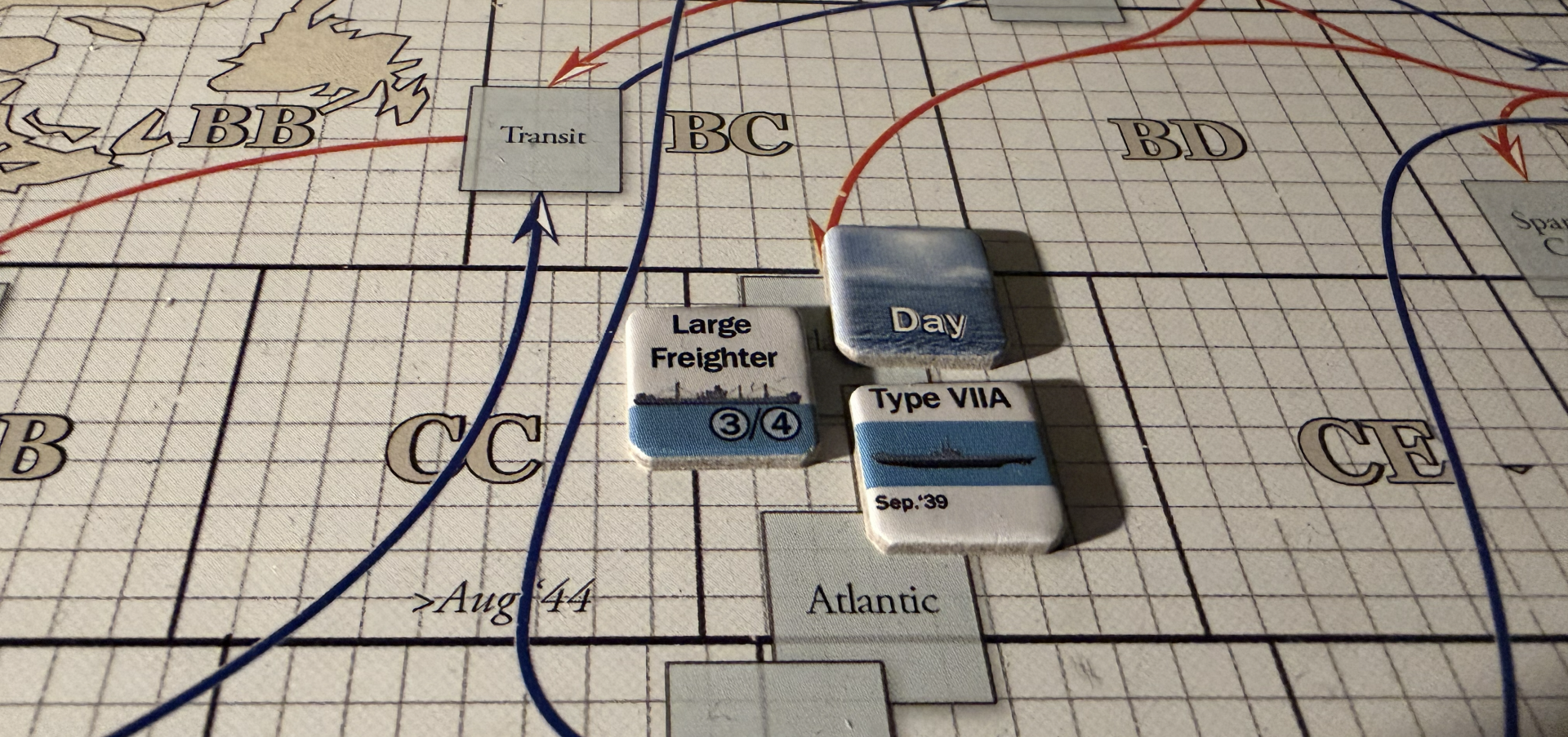
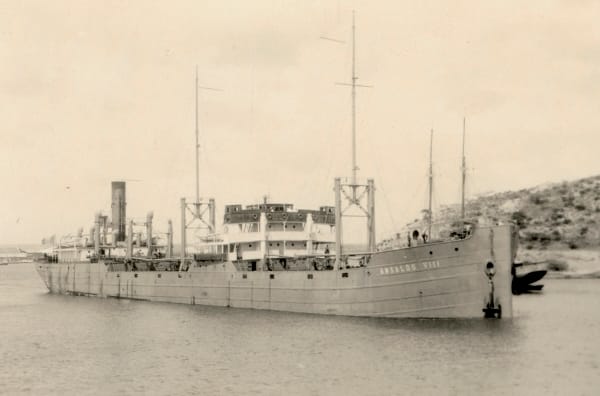
On the first Atlantic sector, in daylight, we found a large freighter steaming alone: the Empire Statesman, 5,300 tons. With no escort in sight I closed to short range on the surface and opened with the 8.8cm gun. One miss, one solid hit that caused serious damage. Rather than expend a torpedo I ordered the gun reloaded so we could finish her properly. As we came around for the second pass, a plume of smoke appeared on the horizon. Escorts. We dived and slipped away before they could close. The freighter was left burning but still afloat. A bitter disappointment.
The remaining three Atlantic sectors produced nothing at all. With the boat still in good condition and a full load of torpedoes, I decided to attempt a replenishment. We failed to locate the supply ship. There was nothing for it but to turn for home.
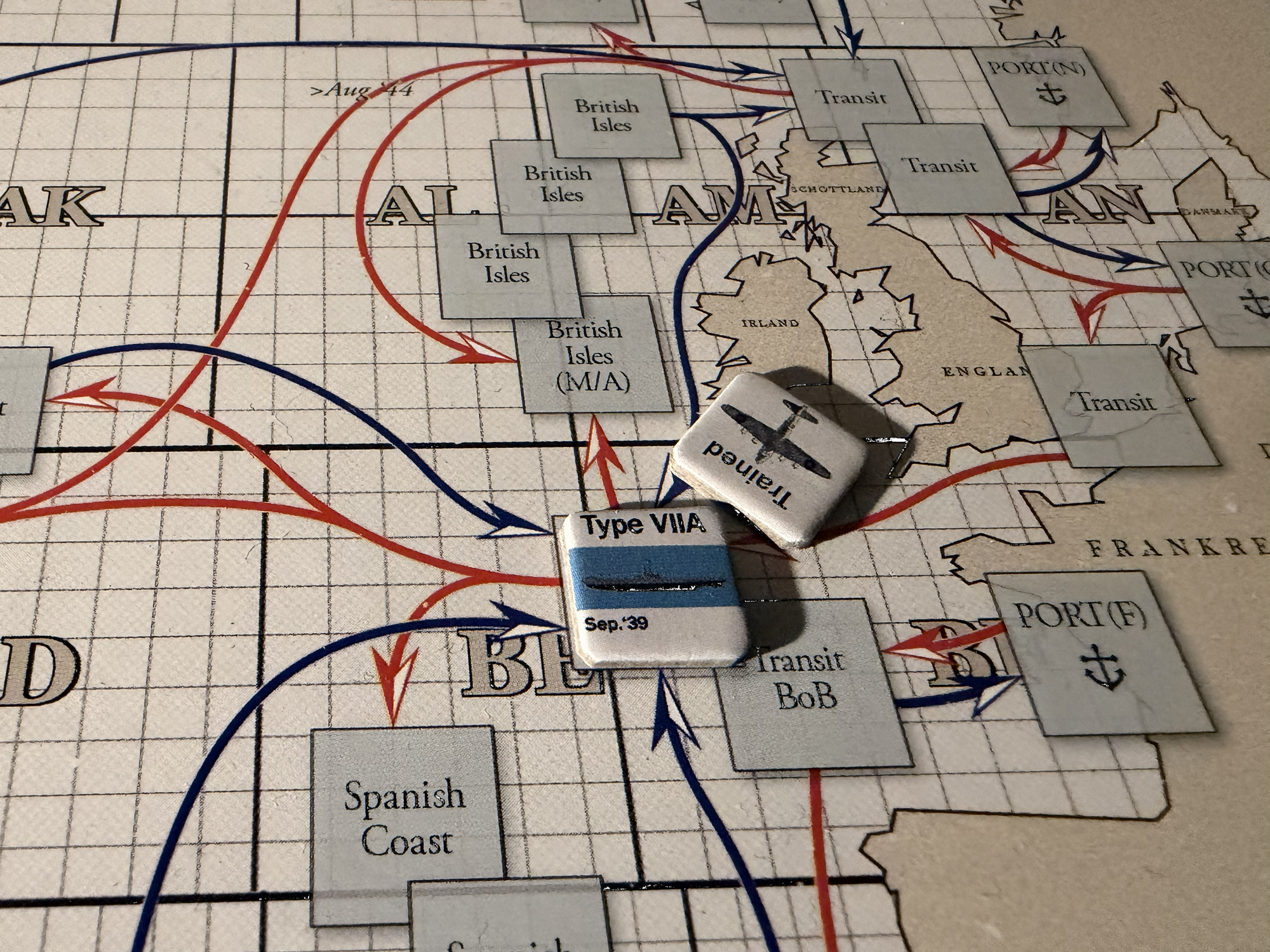
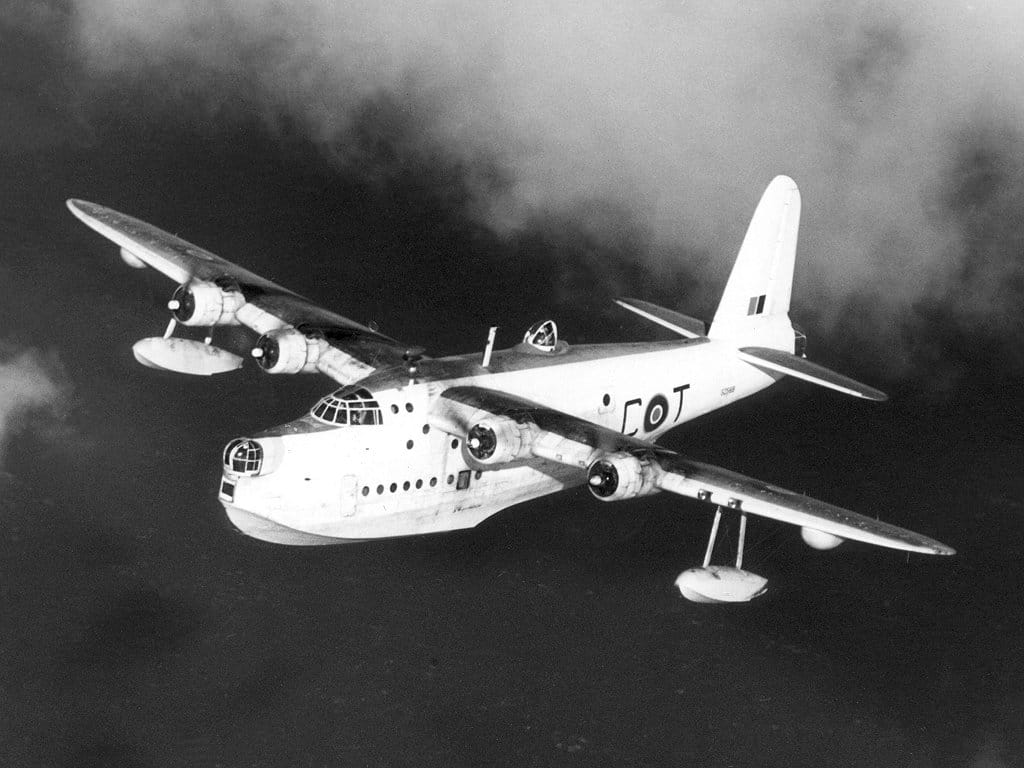
On the return transit a RAF Coastal Command Sunderland found us. The aircraft pressed its attack. Our anti-aircraft fire was ineffective at first; the flying boat strafed the boat thoroughly. Bullets struck the hydrophones and hit Oberleutnant Sanner in both legs, wounding him severely. Marineassistenzarzt Laar worked quickly to stabilise him while we kept the 2cm guns going. Eventually the Sunderland broke off.
We tried to repair the hydrophones, but without Sanner the effort came to nothing. The damage would have to wait for the yard.
The Bay of Biscay passage was quiet. We entered our new home port of Lorient with nothing to show for the patrol but frustration.
Sanner was taken off on a stretcher and carried to the hospital. He will live, but the wounds are serious. The doctors say he will be unfit for duty for at least four months. He is to receive the Wound Badge in Black for his troubles. Since we are due to sail again in September, we will lose him to a replacement.
To complete the misery, our Flotilla Commander, Korvettenkapitän Heinz Fischer, called me in and gave us a thorough dressing-down. Returning empty-handed with a full stock of torpedoes was, in his view, a failure of aggression. Only our reliable (in his eyes) previous record saved us from worse than a stern warning. Command, he made clear, will not tolerate this sort of performance again.
A clean boat, a full load of torpedoes, one damaged freighter left behind, a badly wounded engineer, and a reprimand. Not the way we had hoped to arrive in France.
Context
Despite still having only a limited number of oceangoing boats available, following the relocation of u-boat operations to France, sinkings rose sharply:
- July: roughly 40-43 ships for a little over 200,000 tons
- August: a clear step up, around 55-65 ships and well over 280,000 tons
Individual commanders began to pull ahead. Otto Kretschmer (U-99), Günther Prien, Joachim Schepke and others turned in strong patrols. Night surface attacks proved especially effective; British escorts still lacked widespread radar and HF/DF, so a U-boat running on the surface after dark remained extremely difficult to locate.
Noteable Developments
Tactical confidence
Commanders grew more willing to attack on the surface at night and to press home attacks against convoys. Full wolfpack tactics were not yet mature, but radio coordination and B-Dienst intelligence were improving, allowing boats to be directed onto convoys with greater frequency.
Italian entry
Italian submarines began operating in the Atlantic from the BETASOM base at Bordeaux. Their early contribution was mixed, but it marked the formal expansion of Axis submarine effort beyond the German force.
Tanker losses
Several valuable tankers were sunk in these months, heightening British concern about fuel supplies at a time when the Battle of Britain was also underway.
Maritime patrol aircraft
Although still far from the later dominance of Allied air power, long-range flying boats were becoming a more frequent hazard. Catalinas and Sunderlands were appearing not only over the Western Approaches but occasionally much closer to German and newly occupied waters. Their ability to force a boat under, report its position, or press a strafing attack was already being felt on transit routes and in the Bay of Biscay approaches. For crews, the sudden appearance of a flying boat could turn a routine passage into a sudden and dangerous encounter.
Escort strain
The Royal Navy’s escort forces remained stretched after the losses off Norway and at the evacuations at Dunkirk. Many convoys, particularly the slower SC series that began more systematic sailings in mid-August, were only lightly protected.
While the Luftwaffe and RAF fought over southern England, the maritime supply line to Britain came under its most relentless, sustained attack yet. The combination of still-immature Allied defences, aggressive night tactics, and improved operational reach produced the opening phase of what German crews would remember as the First Happy Time, even as the air threat against u-boats grew.
Commentary
A fairly straight forward patrol, with not a whole lot of decision making. The decision we did make turned out to be one that set us back greatly.
The aicraft encounter in the North Sea was due to a very bad die roll (2), and while we escaped unscathed, it certainly set a bit of a tone for the rest of the patrol.
At first it seemed rather fortunate to meet a lone ship in the middle of the Atlantic (the encounter chart for this sector is dominated by convoys) but we ended up squandering the opportunity by being conservative with torpedoes. From now on we will opt to finish lone ships in a single round as much as possible. We could have chosen to first aft and fore torpedoes in this encounter before having to go the additional round.
Leaving damaged tonnage on the table at a 27.7% chance of escorts or aircraft showing up, for the sake of conserving a torpedo or two does not seem worth it, and this likelihood will only increase as the campaign goes on.
Overall this was an interesting patrol that goes to some lengths to demonstrate the evolving nature of the conflict, and demonstrating how an approach that worked in late 1939 won't necessarily work a year later, but the system only lets you find that out through experience.
Also: Since I've been operating my patrols using the supplied map rather than the submarine mats, I have unknowingly been traversing four patrol zones for each of my patrols, rather than the three dictated by the Type VIIA submarine mat. This will be corrected in future patrols.
If we were to go back and remedy this for past patrols, the implications are that we'd miss the sinking of the Akenside on patrol 1, we wouldn't have received the hammering we did resulting in 2WO Fleck's death in patrol 2, or the depth charges we took on patrol 3. Patrols 4 and 5 yielded no encounters in the 4th patrol zone in any case.
So we'd be trading 2700t off our total, and we would have spent less time in port due to damages, so we most likely would have been able to fit in an extra patrol over the time period. It is much simpler to simply note and correct this issue in future plays.