The Hunters: German U-Boats at War, 1939-43 - Patrol 3 (February 1940)
1/2/1940
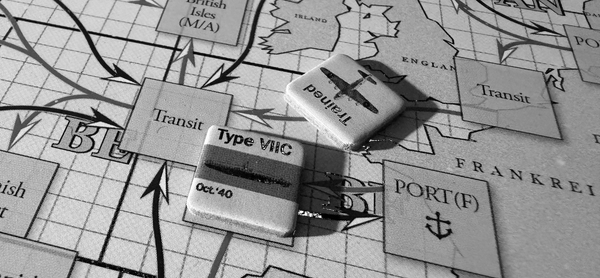
We sailed from Wilhelmshaven at the beginning of February with a new second watch officer, LtzS Leonard Fischer of Crew 34. Once more our orders took us to the British Isles. The two transit legs passed without contact.
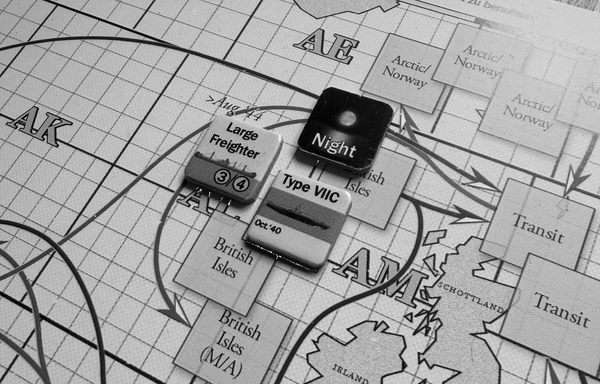
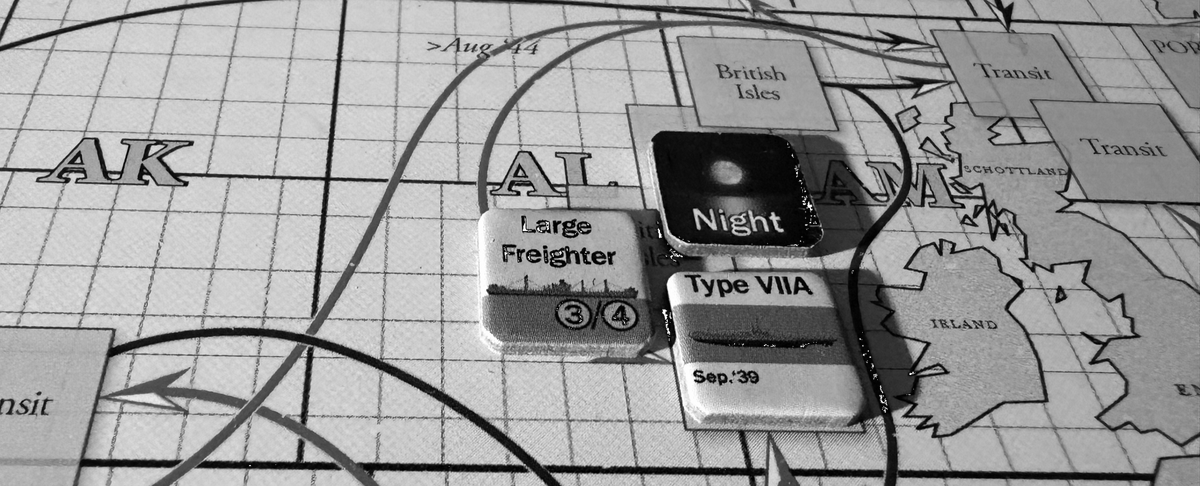
On the night of the 8th, in the first operational sector, we found a large freighter steaming alone, the Peru, 7,000 tons. I closed to short range on the surface and opened with the deck gun. One hit, one miss resulting in heavy damage. Rather than spend torpedoes I ordered us to circle while the gun was reloaded. No distress signal went out. We came in again and put two more shells into her. She went down. The gun crew’s shooting was excellent this time and the men were visibly pleased.
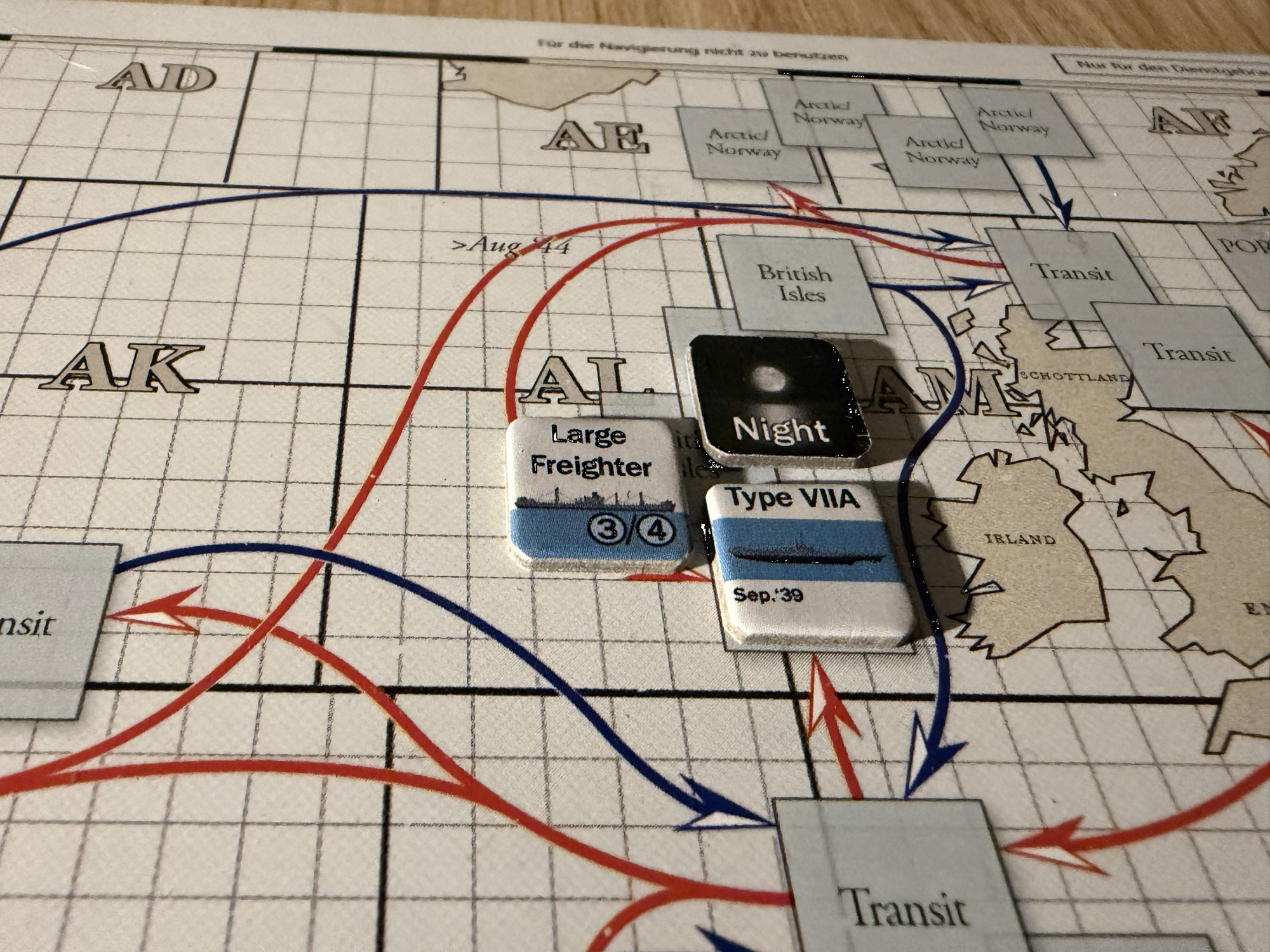
In the second sector we sighted a small freighter with escort in daylight, the Betty, 2,300 tons. With 7,000 tons already to our credit I decided there was no need to risk a daylight attack while the crew was still regaining confidence after the last patrol. We held contact and waited for night. After dark we closed to medium range on the surface and fired two forward G7A torpedoes. Both hit. One detonated, one was a dud. Only minor damage. The escort was seasoned and highly proficient, yet we slipped away cleanly. We continued to shadow the limping freighter. Through pure luck the escort lost her, called away, perhaps, to another contact. We surfaced at close range and finished the Betty with two rounds from the gun. The mood on board lifted noticeably. After the punishment of the previous patrol it felt good to take the fight to the enemy and come away with something to show for it.
The third sector was empty.
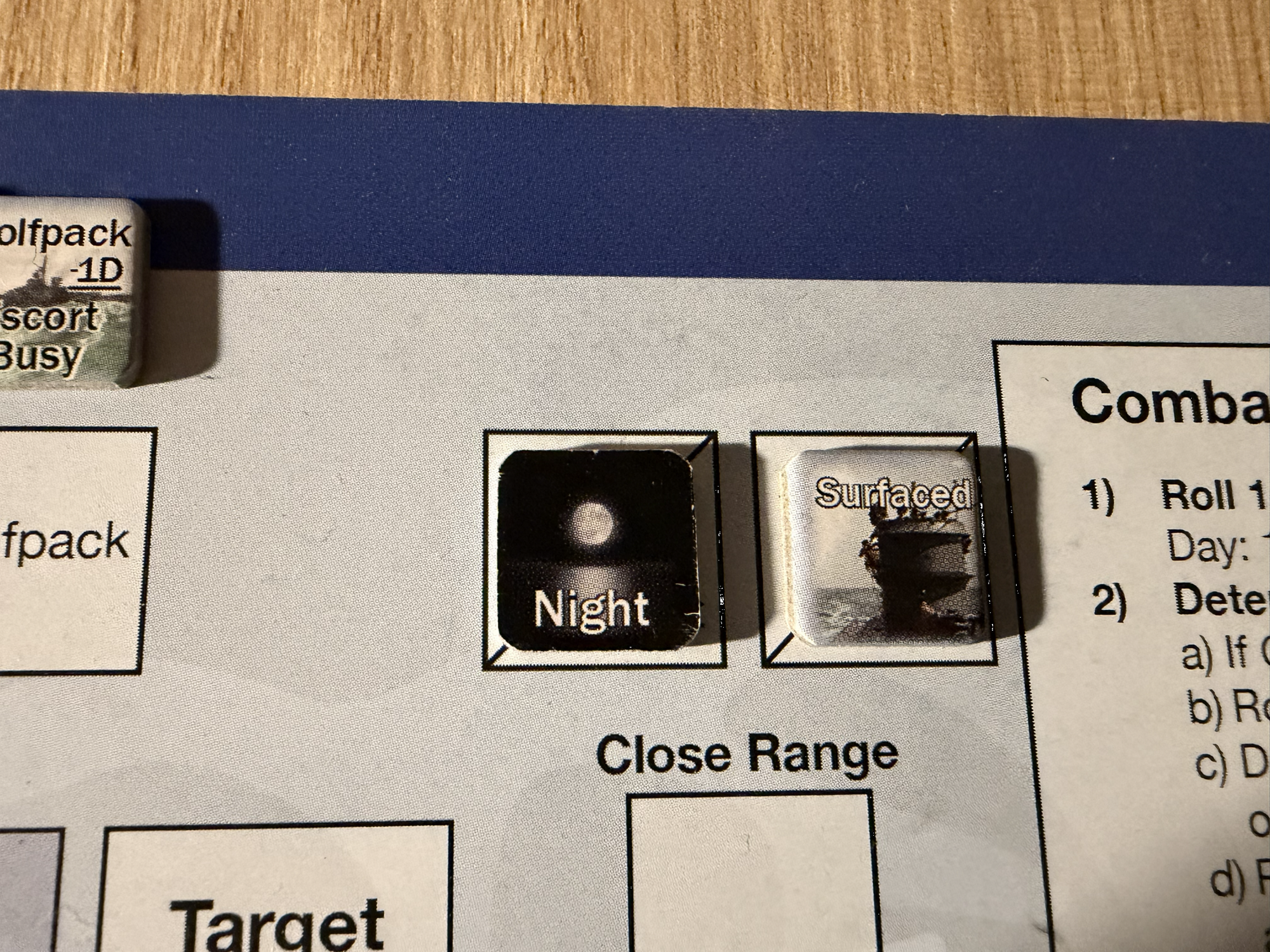
On the night of the 16th we found another small freighter under escort, the Kyleglen, 3,700 tons. Worth our time. We approached on the surface at medium range, by now our standard method , and fired two G7As and one G7E. Two hit, one missed. Both hits were duds. Incredibly frustrating. The crew’s seamanship had been good but the weapons simply refused to work. The Torpedo Directorate continues to let us down.
The escort was trained and gained a fix almost at once. We pulled hard to port and the escort turned to meet us, though less sharply, and still scored a hit. The pattern was accurate with three charges close aboard. Diesel engine No. 1 was damaged, the hull buckled, and the forward torpedo doors were affected. With the fix established I took the boat below test depth. Despite the damage, she held. At least the yards know how to build a strong hull.
The escort was persistent. He kept contact. I ordered a hard turn to starboard while he went the other way, yet still managed a glancing hit that buckled the hull further. We could not risk going much deeper. Another turn to port while he held course brought more charges and this time the deck-gun mounts were smashed.
We kept manoeuvring. Eventually the pings grew fainter and faded. It had been uncomfortably close. With the forward torpedo doors damaged we broke off. The freighter was untouched. At least we left nothing unfinished that we could have finished.
We drifted for several hours while the engineering party under Mencken patched what they could inside. When we finally surfaced the deck-gun mounts needed only minor work and were made serviceable again. The diesel was coaxed back into life. The forward torpedo doors, however, were beyond anything we could repair at sea. They would need expertise that could only be found in our dockyard.
We still had a reasonable stock of torpedoes and had originally intended to attempt a replenishment, but the state of the boat made that unwise. I ordered the return to base. Both transit legs home were quiet.
We reached Wilhelmshaven without further incident. Everyone came home in one piece, even if U-34 herself is the worse for wear. Our diving and evasion still need work, we are just not getting under and breaking contact quickly enough. I have a growing concern that this may remain the pattern for the rest of the war. We are going to have to earn every victory the hard way.
LtzS Fischer was visibly shaken by the prolonged depth-charging. Time will toughen him. On the positive side, gunnery was back to 75% and torpedo accuracy reached 80%. The dud rate, however, was the worst we have yet seen at 75%.
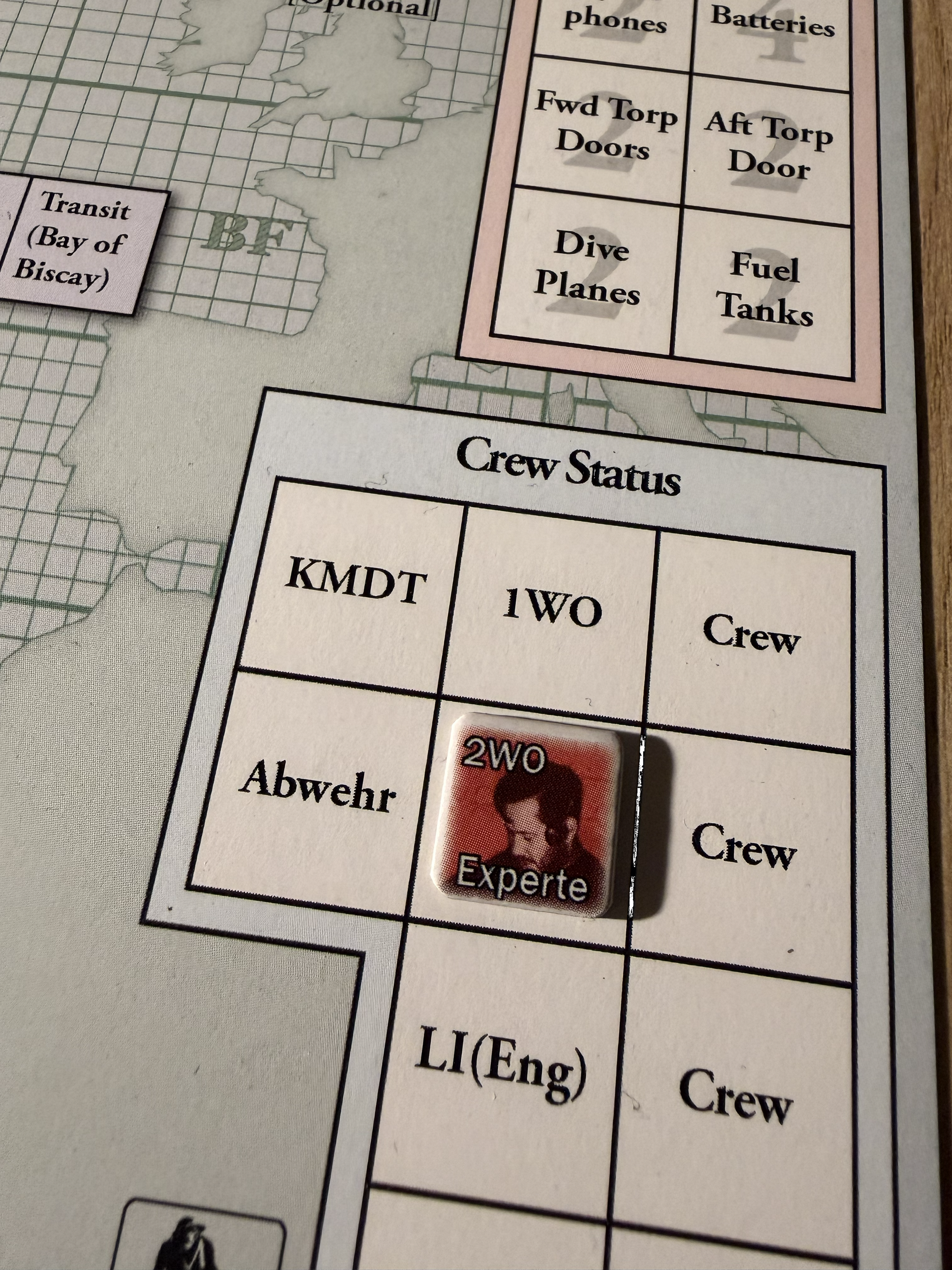
The additional hull repairs will keep us in the yards until May. We are using the extended period ashore to work intensively on Fischer's seamanship and leadership. By the end of the leave he has made substantial progress and is now rated Expert in his role.
The new month will see a shift in operational focus of the Kriegsmarine to the coast of Norway in support of Operation Weserübung, the invasion of Norway and Denmark, and to interdict the supply of Allied forces that had landed in Narvik. We believed that the invasion of France was just around the corner.
Context: The three-month period between February and April maked a clear shift in the naval war. The pure tonange campaign in the Atlantic was interrupted, the Ubootwaffe was temporarily diverted from its main task, and the Kriegsmarine's surface fleet suffered huge losses during the invasion of Norway.
February remained relatively active in the Western Approaches, u-boats still found targets, particularly independents and stragglers, and sinkings continued at a good rate for the small number of boats available. Losses were steep, however. Give boats were sunk in February alone (including U-34's sister ship that had operated alongside her in the Spanish Civil War, U-33).
March saw a sharp decline in Atlantic activity. From roughly the middle of the month, Dönitz was ordered to withdraw nearly all u-boats from the Western Approaches in order to prepare for the forthcoming Norwegian operation and Atlantic patrols effectively ceased.
April was dominated by Operation Weserübung from 9 April onwards. Almost all operational u-boats, including training boats, were deployed in the North Sea and Norwegian waters to screen the ivnasion forces and attack the Royal Navy directly. Despite numerous excellent firing opportunities against British warships, results were poor. The long-standing torpedo defects were exposed fully at the worst possible moment. Only a handful of merchants were sunk during the month.
While the u-boats underperformed, the surface fleet paid an even heavier price. The invasion of Norway, while a strategic success, was a tactical disaster at sea due to the losses of KMS Blücher at Oslofjord, KMS Königsberg (lost in an air attack) and KMS Karlruhe which was heavily damaged and eventuall scuttled, along with the losses of destroyers Georg Thiele, Wolfgang Zenker, Bernd von Arnim, Erich Giese, Erich Koellner, Diether von Roeder, Hans Lüdemann, Hermann Künne, Wilhelm Heidkamp and Anton Schmitt. By the end of the campaign the surface fleet had been reduced to a shadow of its already limited strength. It never again posed a serious challenge to the Royal Navy in home waters or the Atlantic.
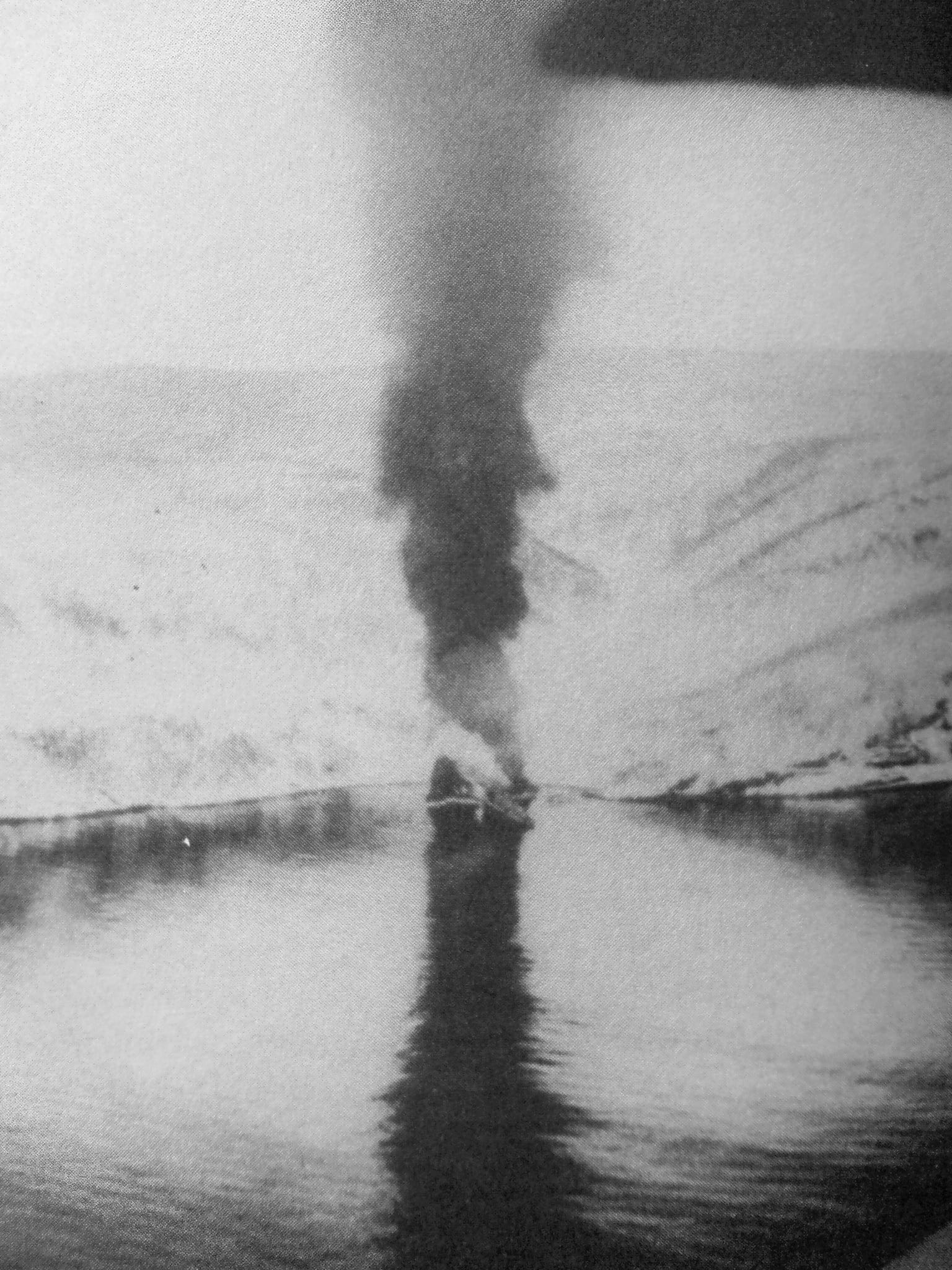
It was a transitional and largely frustrating period for the Ubootwaffe. The Atlantic campaign was interrupted at the very moment it might have developed. The boats were committed to a secondary theatre where their weapons failed the.
The one consolation was the strategic prize of Norwegian bases which would later prove valuable.
Commentary: What started off as a promising patrol once again in a nail-biter. I think generally our decisions have been defensible, but luck just hasn't been on our side. Theoretically we should be succeeding in most of these evasions but we keep getting picked up be escorts. We could mitigate this by approach at periscope depth and going deep during evasions but I'm still not convinced that this warrants the additional time we have to spend patching hulls on return to port. We really should be on a 72% evasion chance, but our average across the campaign is at 60%, and average across the last patrols is a lowly 50%.
Our other option is to engage at long range which would have an impact on our accuracy, but then accuracy isn't what's been holding us back, but rather the horrendously high dud-rate. While we're currently only at 41.2% average, the last two patrols have been exceptionally bad. We can't afford for a little bit of variance to be the reason we don't get through the campaign.
On the other hand, we could play our patrols extra-safe, we still have years to go in this campaign and we really just want to be hitting a total of 50,000 tons to 'earn our place' in the service, which we're not too far off from, sitting at 32,700 tons.
It's a matter of choosing whether we want to optimise for tonnage or survival. Balancing the two is where it gets challenging.