The Hunters: German U-Boats at War, 1939-43 - Patrol 13 (April 1942)
1/4/1942
Assigned once more to North America. We sailed from St. Nazaire.
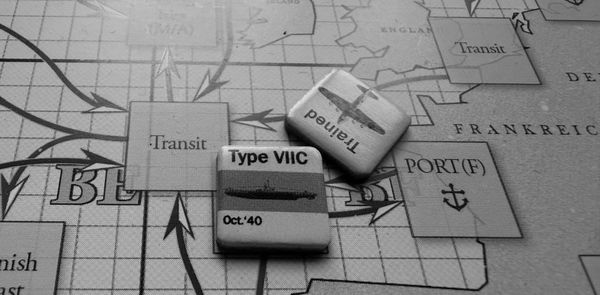
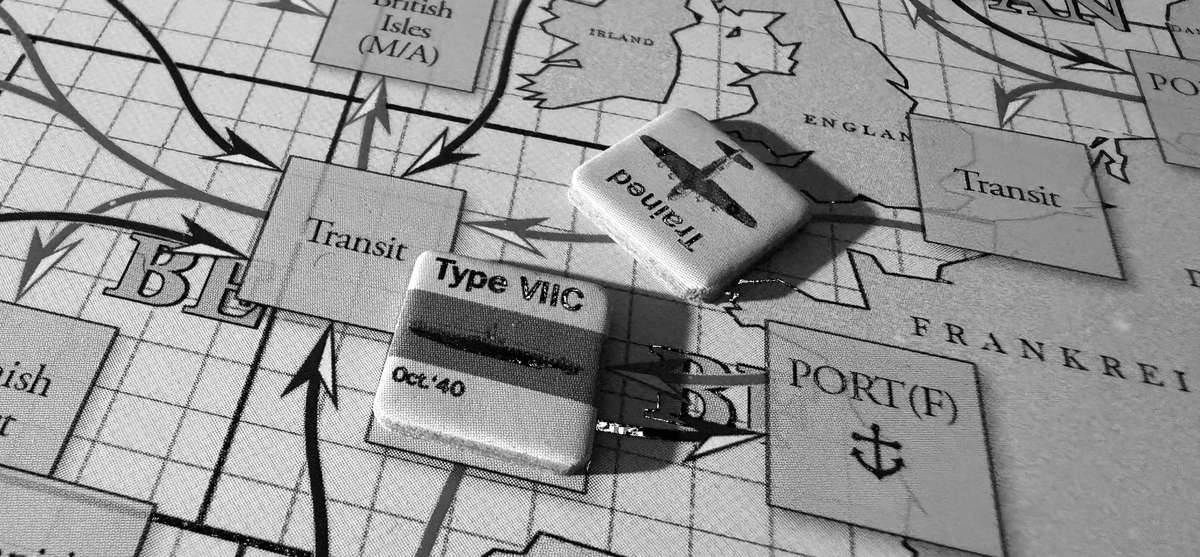
The Bay of Biscay outbound was quiet. In the first transit an aircraft appeared. We did not wait to identify it and fortunately an emergency dive put us under in time.
The remaining two transit sectors were empty.
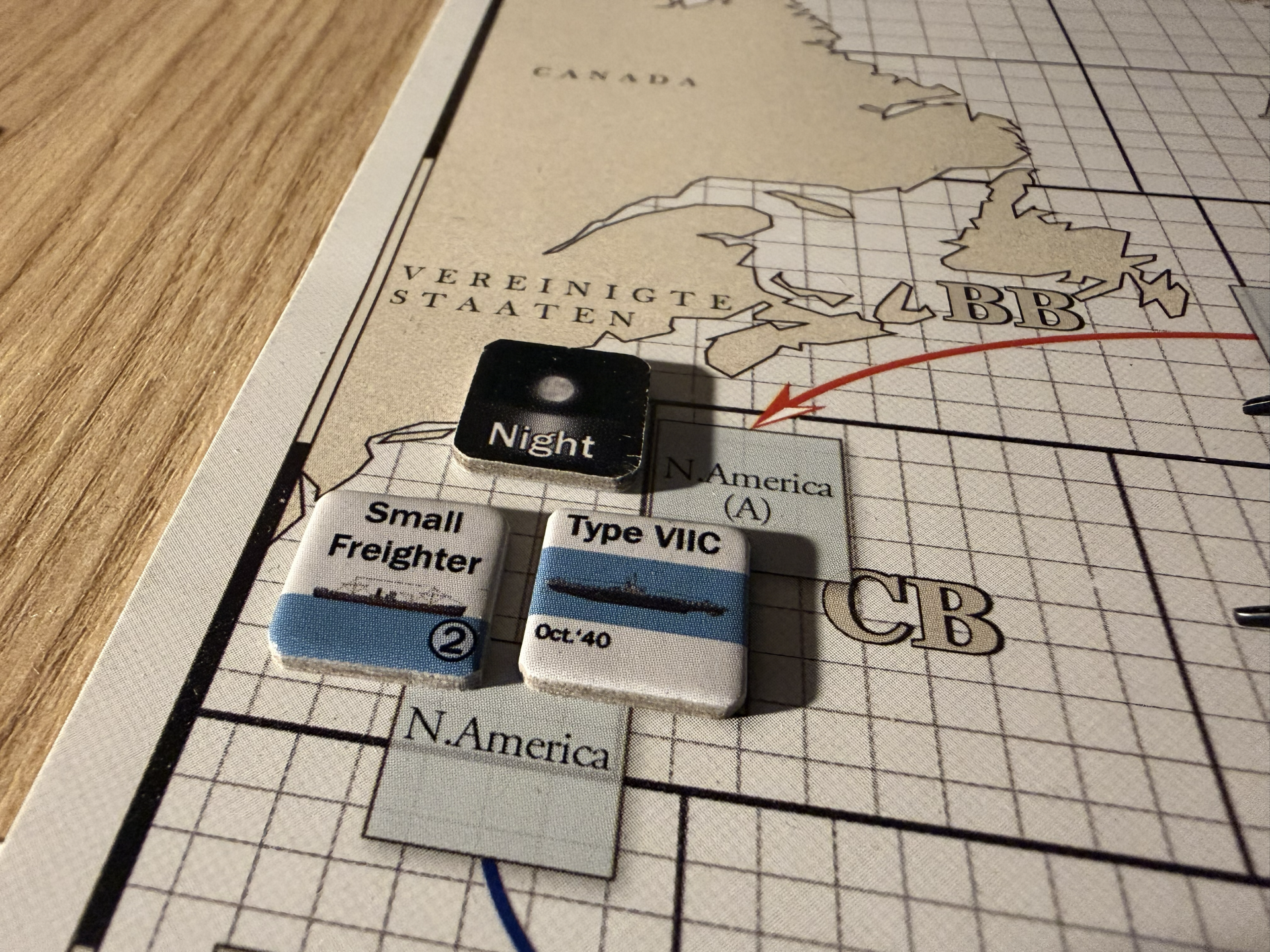
In the first North American sector, in daylight, we found a small freighter, the Norvana, 2,300 tons. I closed to short range on the surface and opened with the deck gun and two volleys sent her down.
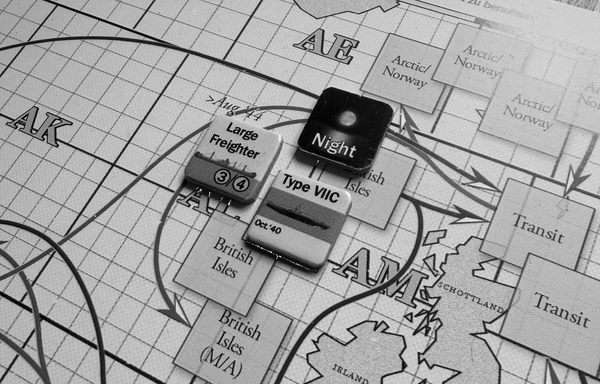
In the second sector, at night,we spotted yet another small freighter, the Plow City, 3,300 tons. We opted for the same approach, close range, surface, two gun volleys. She went under as well.
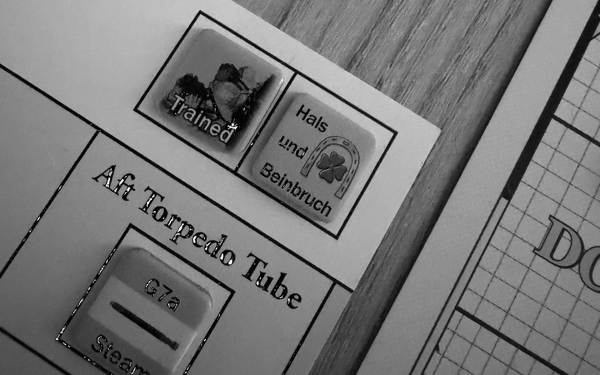
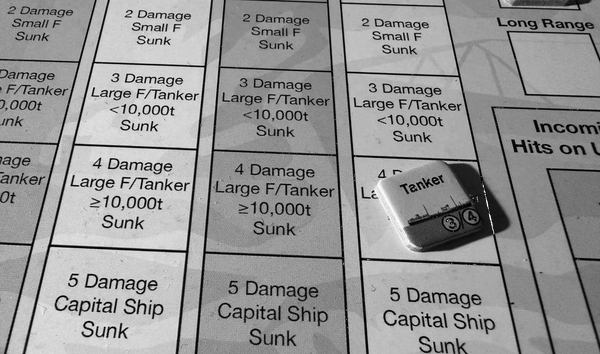
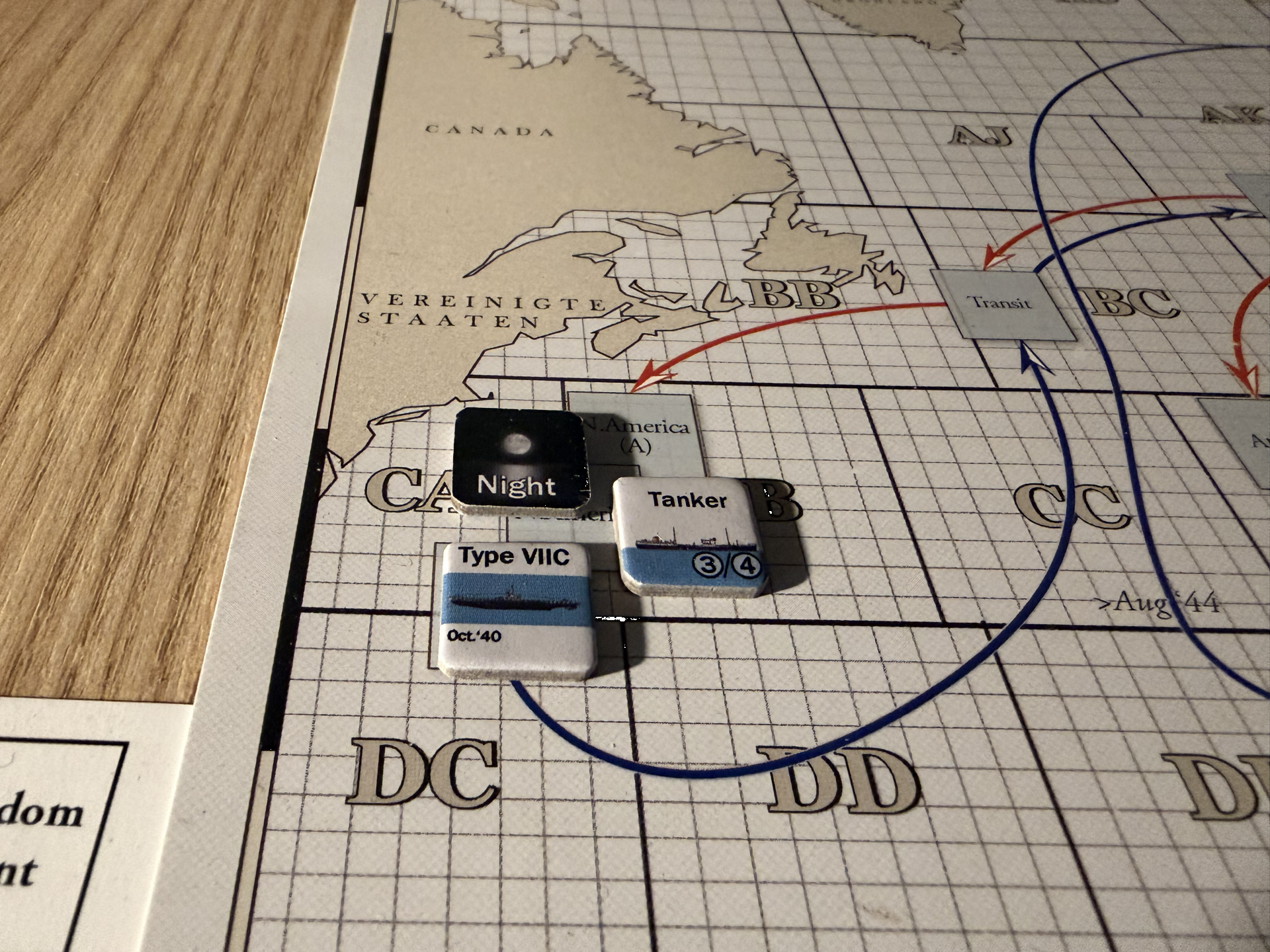
In the third sector, again at night, we found something a bit more worthwhile, a tanker, the Montrolite, 11,300 tons. We closed on the surface for a gun attack, expecting we would still need torpedoes. Two hits produced only light damage and she remained afloat, thus requiring a torpedo. I fired the aft G7A. It struck and detonated. Large explosions followed and she went down.
That was the extend of our patrol in the assigned area. Due to the distance it took us to get here, it was time to head for home.
The three inbound transit sectors were quiet. In the Bay of Biscay the familiar Sunderland found us. This time we failed to get under in time. The aircraft scored a hit on the boat and on a member of the crew. Electric Engine No. 2 and the deck gun were damaged. So close to home, that would have been an acceptable price.
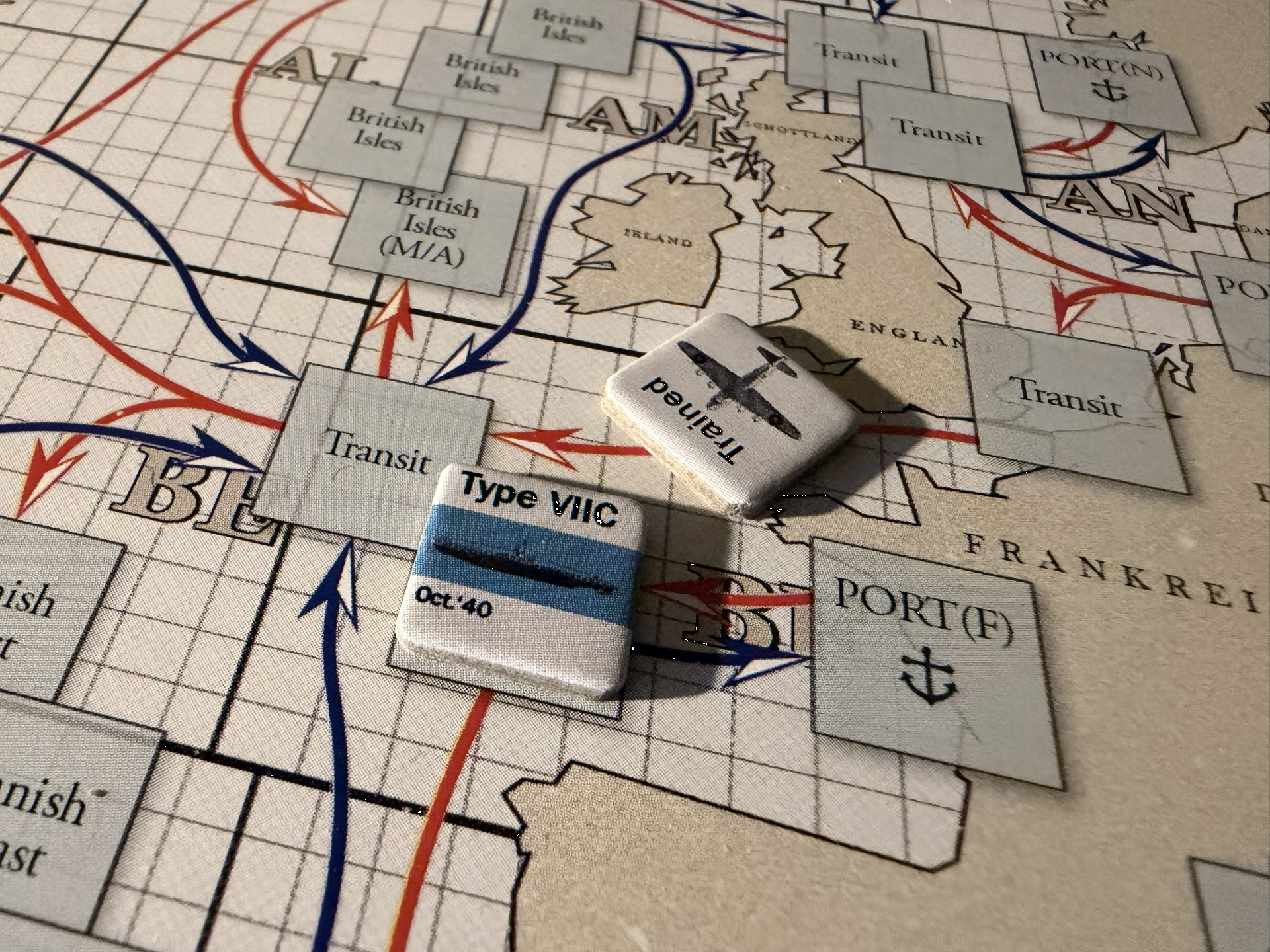
Unfortunately ournew doctor was topside taking air. A fragment struck him and caused serious wounds. Being near port, we were able to stabilise him in time for the shore surgeons. The electric was patched well enough to bring us in, our trusty gun, however, would need specialist attention.
We reached St. Nazaire without further incident.
The doctor’s wounds are severe enough that he will be out of action for four months. We have already found a replacement: Marineassistenzarzt Edmund Mayer has joined the boat.
The lack of serious damage means we'll be back out at sea in June and continuing this new stage of the war against the Americans.
Context
The Second Happy Time continued, but the geography shifted. Along the US East Coast the first organised coastal convoys began to appear in mid-May, and sinkings declined. The U-boats simply moved south into the still-unprotected Gulf of Mexico and Caribbean where tanker traffic remained rich and relatively undefended.
May was especially costly. A handful of boats operating in the Gulf Sea Frontier sank dozens of ships consisting of numerous tankers, and Caribbean losses also rose sharply. Type XIV supply boats ("Milk cows") extended the reach of the shorter-range Type VIIs into these waters. On the 14th of April, the destroyer USS Roper sank U-85 off Cape Hatteras, the first confirmed U-boat kill off the American coast. The sinking of Mexican tankers in May helped push Mexico toward a declaration of war.
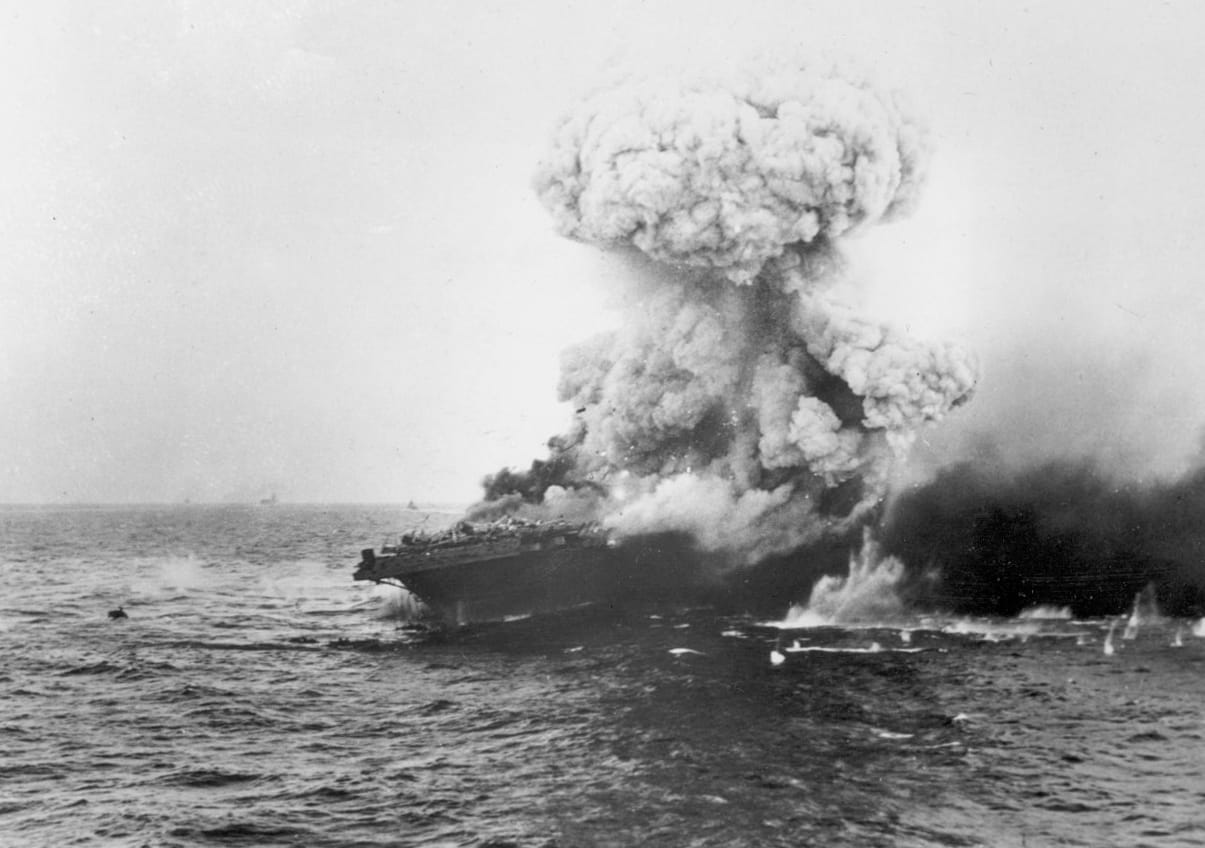
In the Pacific the Battle of the Coral Sea was fought in May. On the Eastern Front, German forces prepared for the summer offensive. In North Africa the Gazala battles began toward the end of May. Malta remained under heavy air attack.
Commentary
Not much to add here, we were fortrunate enough to encounter only lone ships which speaks to the profitibility of North America patrols, long may they last.
Luck was on our side during the aircraft encounters which allowed us to avoid any serious damage.