The Hunters: German U-Boats at War, 1939-43 - Patrol 12 (January 1942)
1/1/1942
With the outbreak of war against the United States, command advised that a substantial portion of our operational effort would now be directed against the Eastern Seaboard. The Americans, it was judged, were unprepared for submarine warfare. As such, a hard and early strike might achieve significant results. We were fortunate to receive one of these assignments.
We left St. Nazaire with a very long passage ahead of us. The Bay of Biscay and all three outbound transit sectors were empty.
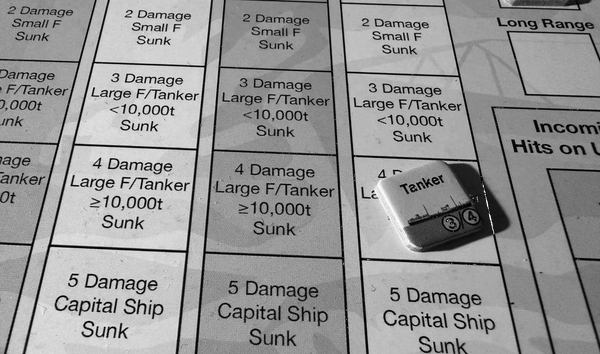
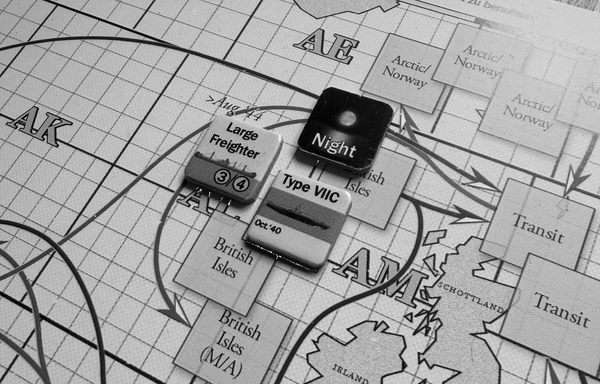
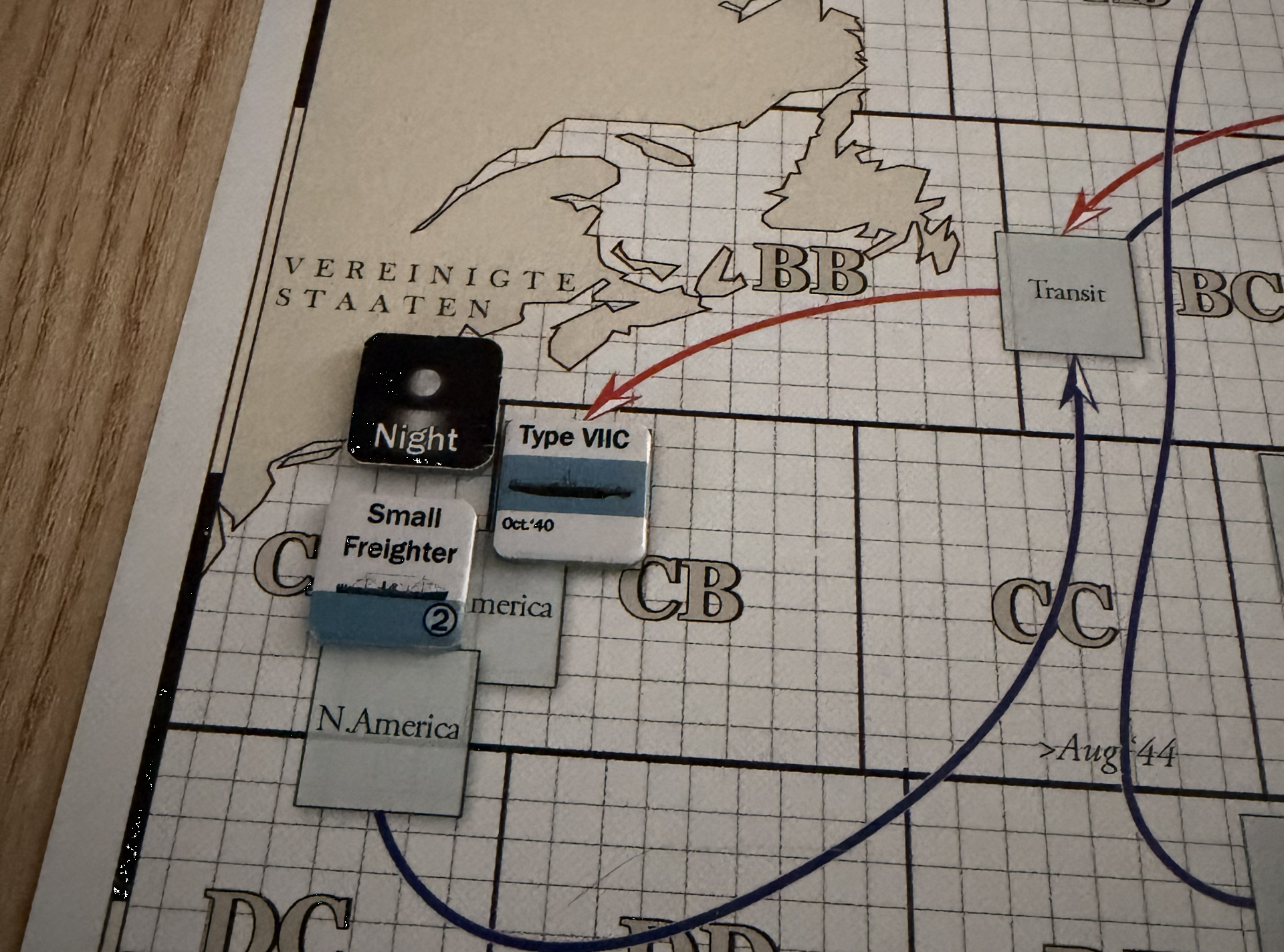
In the first North American sector, at night, we found a small freighter: the Christina Knudsen, 4,900 tons. I closed to short range on the surface and engaged with the deck gun. Two hits proved sufficient and she went down.
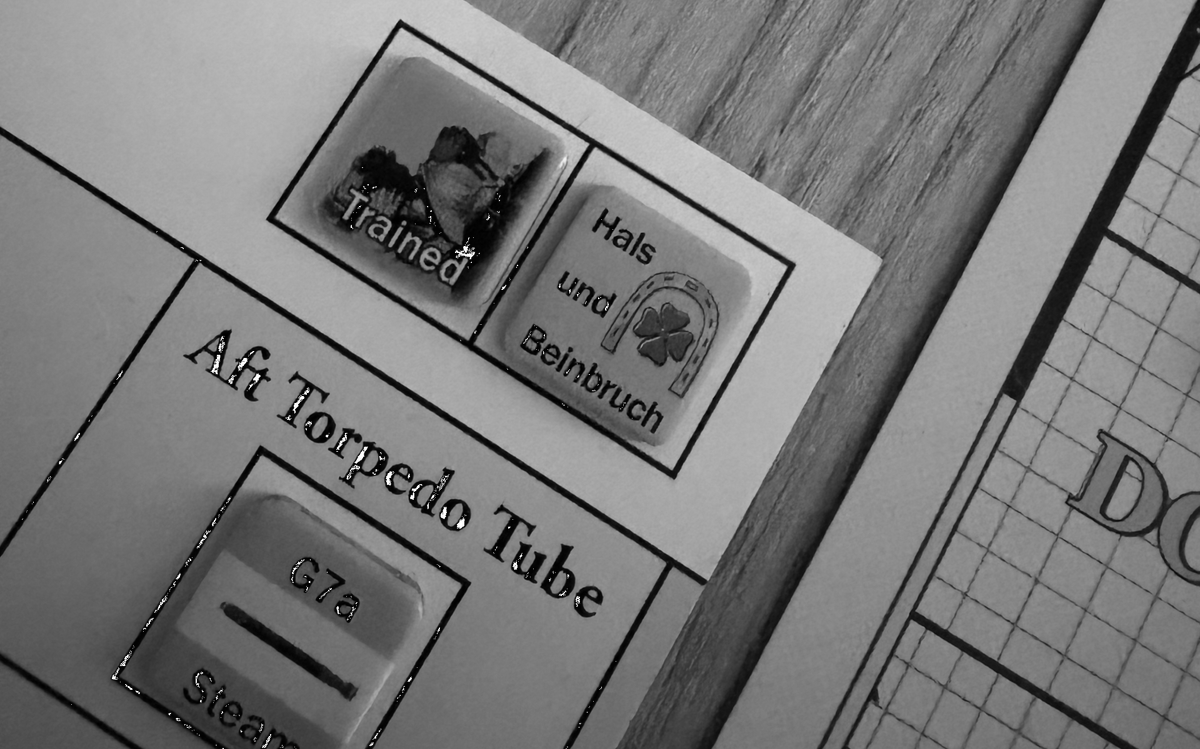
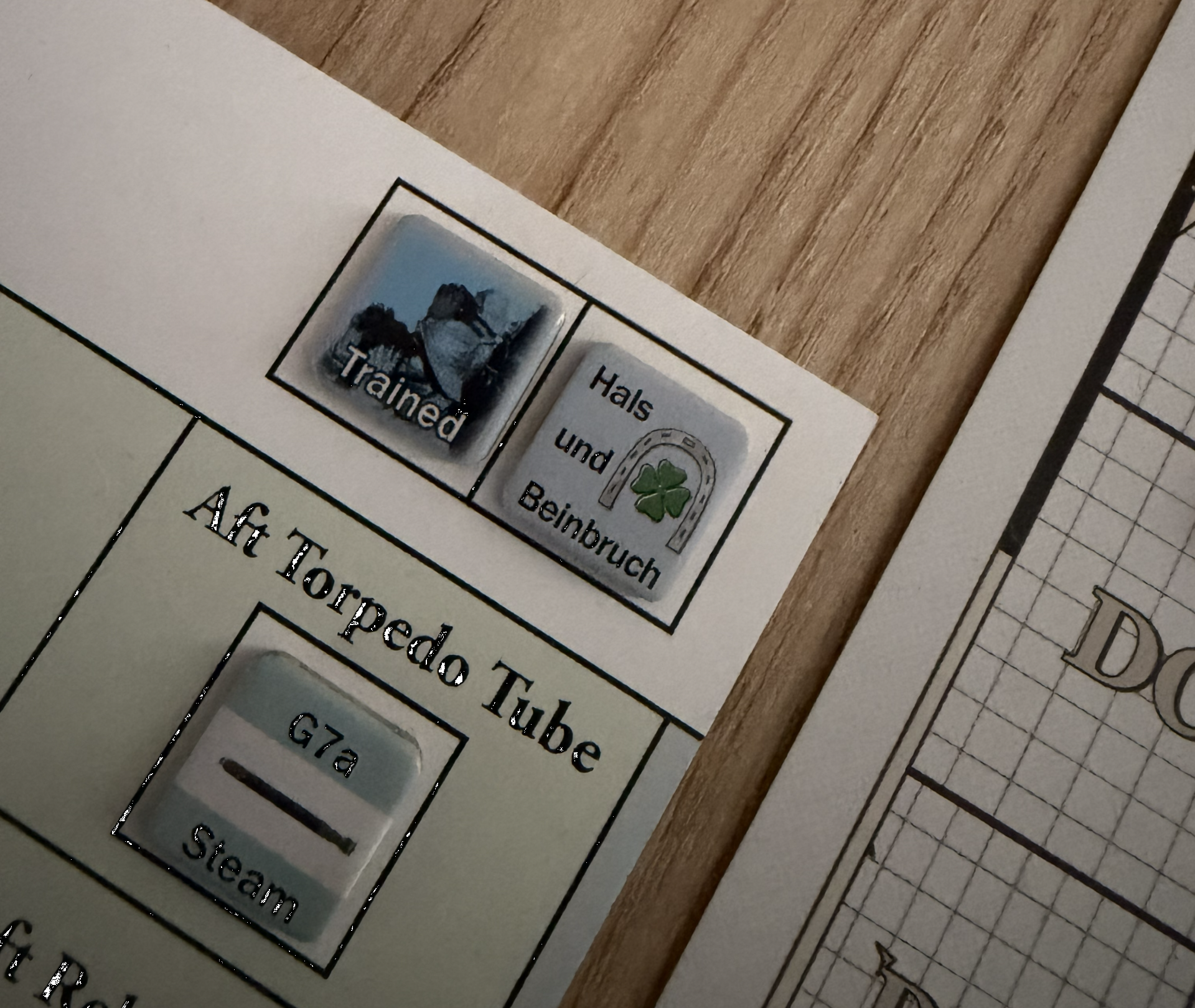
The second sector produced nothing. In the third, the crew discovered a black cat that had stowed away in a crate of provisions. They named him Schwarzi and decided to adopt him as a mascot.
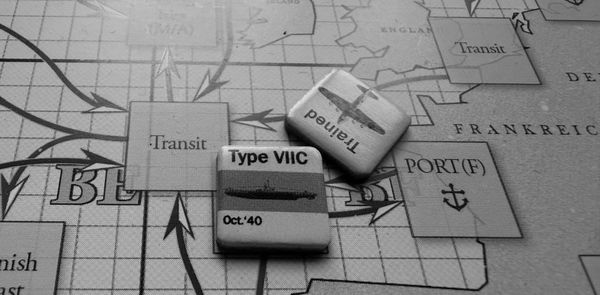
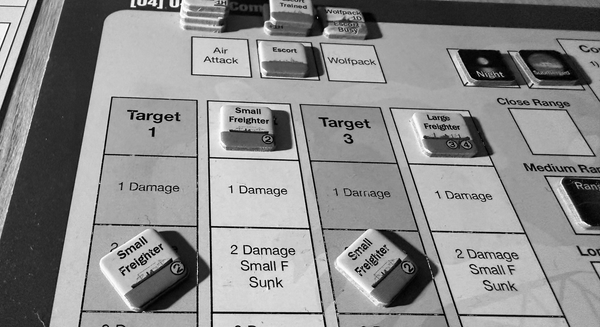
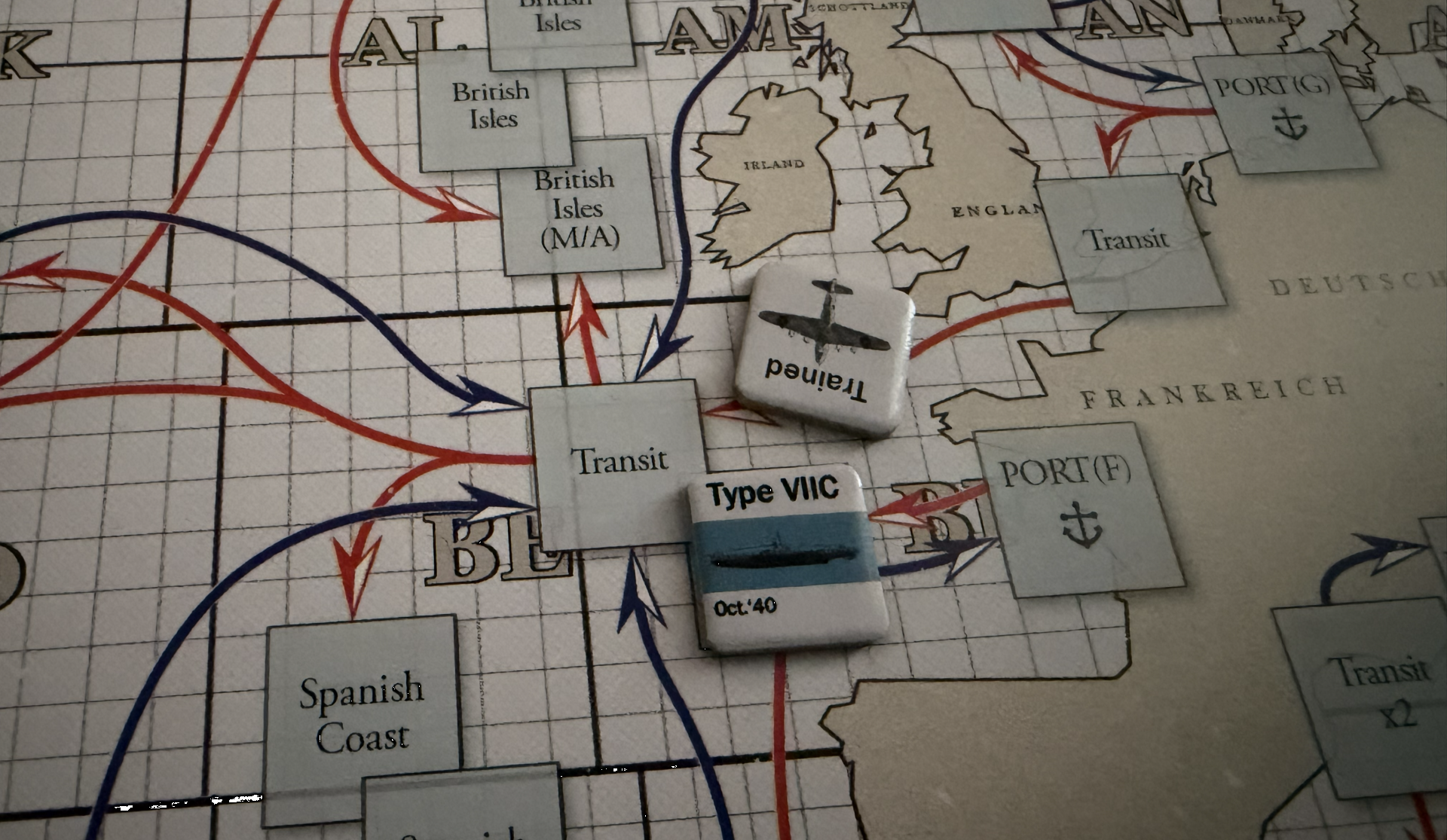
The three inbound transit sectors were quiet. In the Bay of Biscay a Sunderland found us and pressed its attack. The aircraft scored four hits. Dive planes were damaged, the hull took further punishment, and two officers were wounded by shrapnel: ObLt (I) Wolfgang Klein and ObLtzS Benno Pfefferberg, both lightly.
Marineoberarzt Laurens Laar immediately went topside to tend to them. He was struck by machine-gun fire and killed. Our return fire missed the aircraft.
Schwarzi had been on the casing when the attack began and was swept overboard. The men managed to haul the cold, sodden cat back aboard.
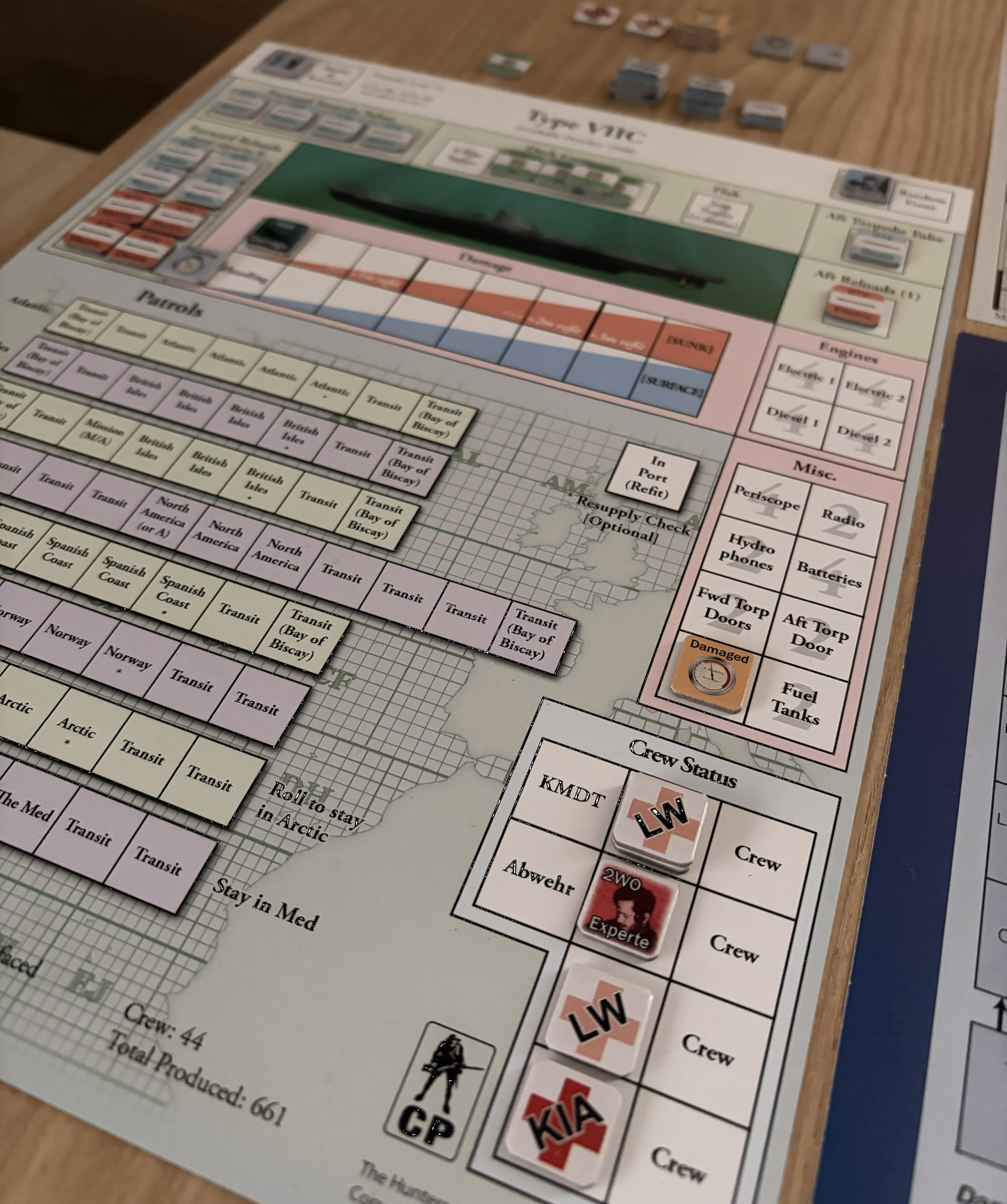
While the LI recovered, the crew successfully repaired the dive planes. We reached St. Nazaire without further incident.
These passages through the Bay of Biscay are growing more treacherous; we came away from this one by sheer luck. Klein and Pfefferberg were fortunate in sustaining only light wounds. Laar was not. He was carried ashore in a body bag.
We have decided that an operational U-boat is no place for a cat. Schwarzi will remain at headquarters from now on.
Both wounded officers will receive the Wound Badge. Klein, already holding one in black, will become eligible for the badge in silver should he be wounded again.
The hull damage will keep the boat in the yards until April. The interval has given us time to secure a replacement for our late doctor. Marineassistenzarzt Elias Gaede has joined the crew.
Context
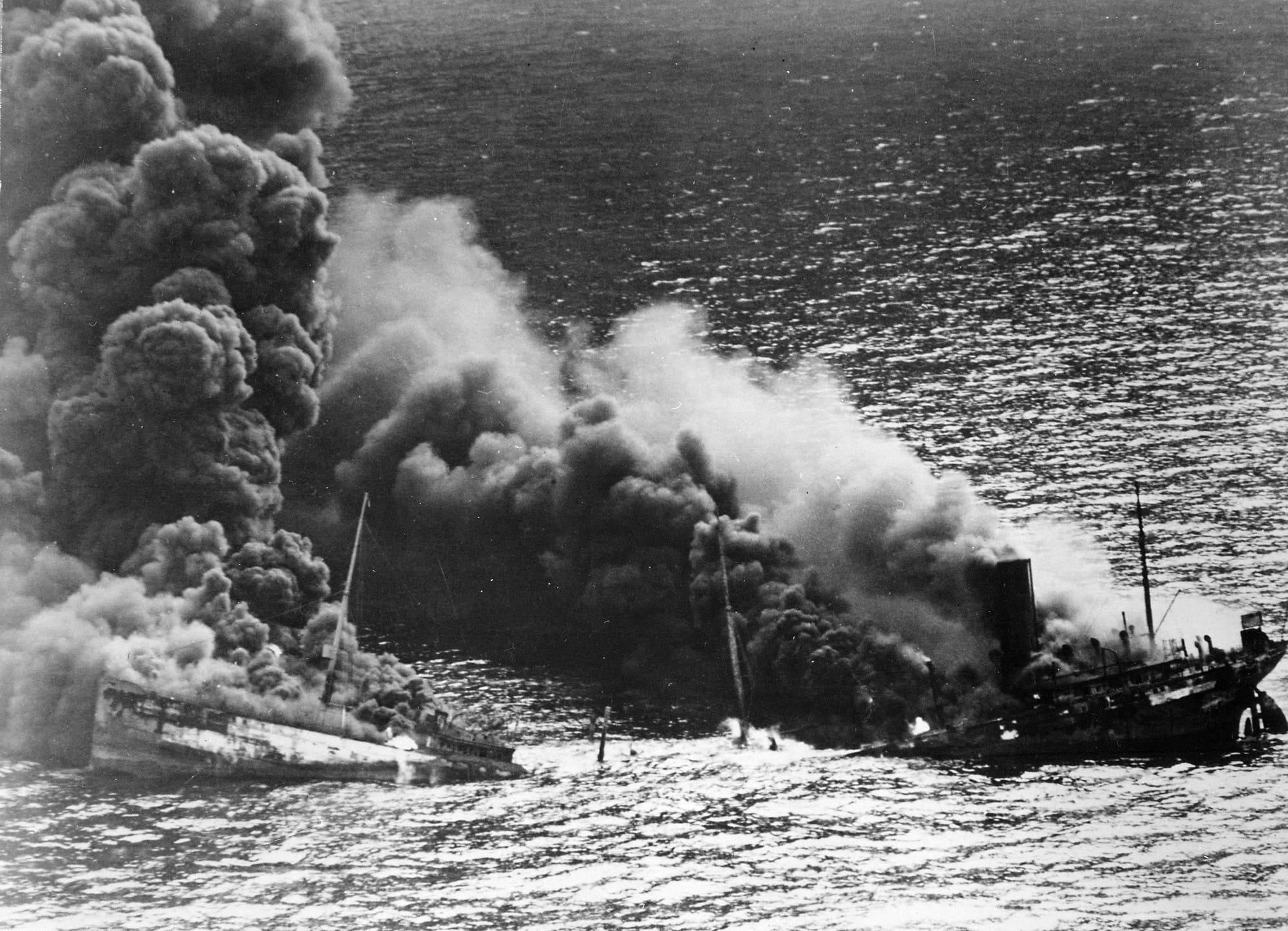
January to March, 1942, marked the opening of the 'Second Happy Time'. With the United States now in the war, Dönitz sent a small number of long-range boats against the American Eastern Seaboard under Operation Paukenschlag.
American coastal shipping was still largely unescorted. Ports and cities remained brightly lit, and anti-submarine organisation was weak. The result was a series of easy sinkings including freighters and especially tankers, within sight of the coast. January through March saw heavy losses off the United States and in the approaches to the Caribbean. For the U-boat crews the conditions recalled the early successes against Britain in 1940.
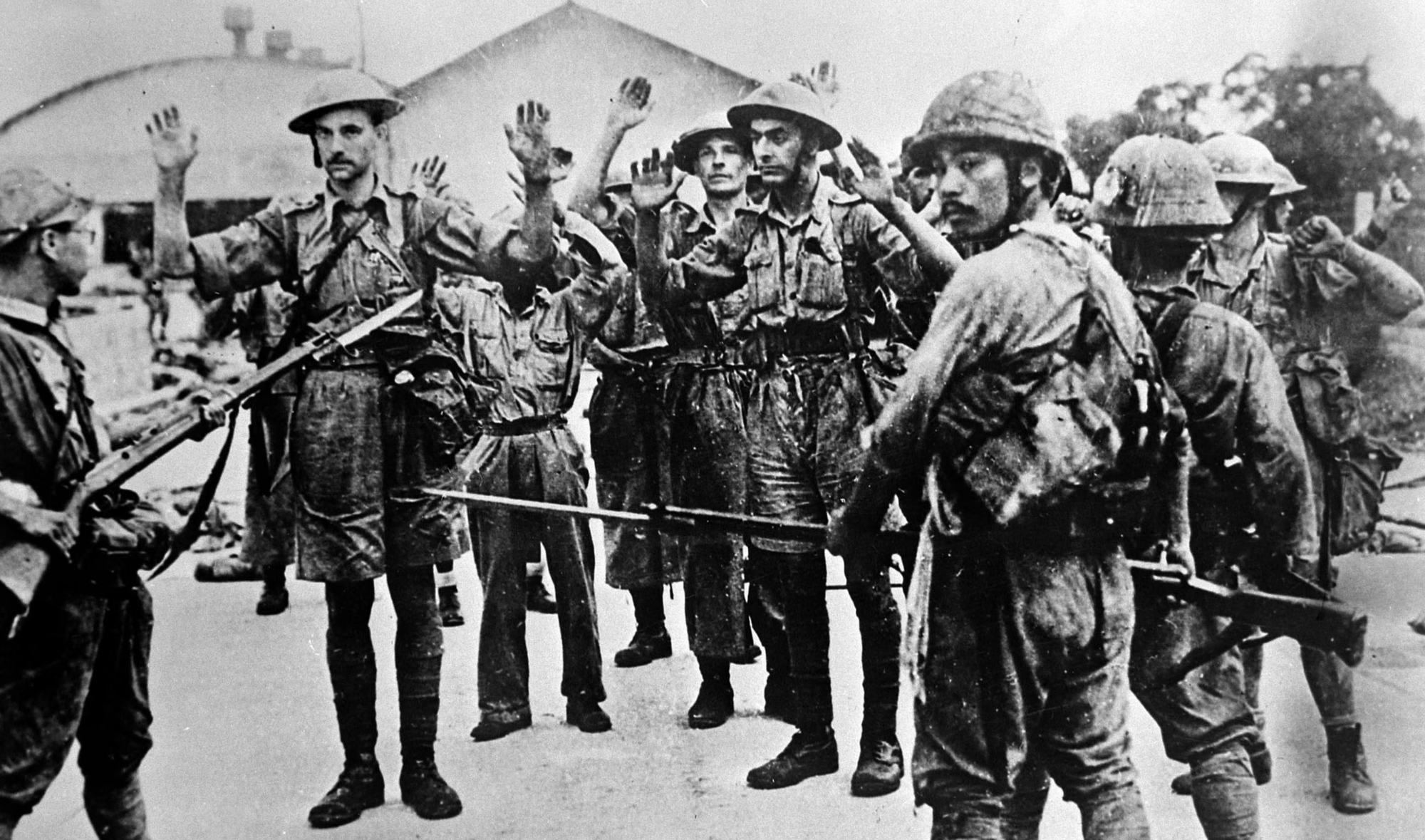
In the Pacific and Southeast Asia, Japanese forces continued their rapid advances. On the Eastern Front, fighting remained intense after the Soviet winter counter-offensive. In North Africa, Rommel’s forces were again on the move.
Cats were fairly common on warships and merchants during the war. They served the practical purpose of pest control, keeping down rats and mice and preventing them from getting into food stores and nibbling on wiring, but they quickly became valued mascots and companions.
Long patrols and voyages were lonely and stressful. A ship's cat offered a small and valuable living link to normality and often boosted morale. Many crews treated their cats as full members of the crew, giving them names, ranks and even serial numbers.
The most famous example is the cat known as 'Unsinkable Sam'. He was reportedly rescued from the water after the sinking of the Bismarck in May 1941, then survived subsequent loss of the HMS Cossack, and the HMS Ark Royal. After three sikings he was retired to a home ashore.
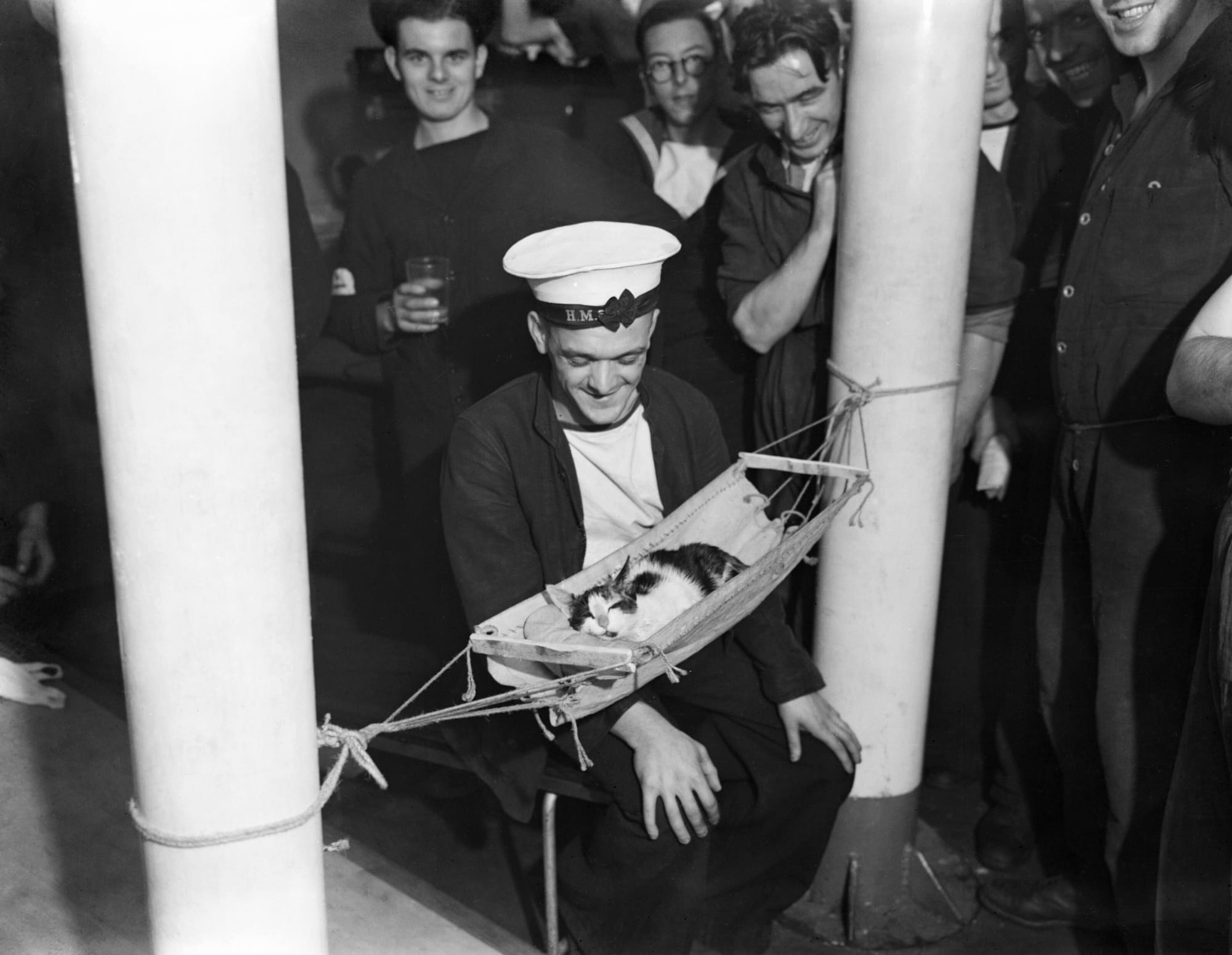
Other well-known wartime cates included Blackie of HMS Prince of Wales (who had the privilege of meeting Winston Churchill) and numerous less famous mousers who shared the daily life and dangers of their crews. Many were lost with their ships, others survived and became minor celebrities in port.
Commentary
A very uneventful patrol in terms of tonnage, but the North America sector will hopefully be our hunting ground for the next few patrols. It should lead to some easy pickings due to most of the encounters being lone or otherwise unescorted ships.
We were incredibly fortunate to find "Schwarzi" (a Hals und Beinbruch Random Event roll), since the Sunderland in our Bay of Biscay encounter rolled a '13 or more' on the Escort/Air Attack chart which would have otherwise led to the sinking of U-77. Due to this 'bonus' we were able to re-roll which only resulted in the death of Laurens Laar instead along with some damage.
In another universe, this would have been the last patrol of U-77 and she would have been lost with all hands. We very much dodged a bullet there.