The Hunters: German U-Boats at War, 1939-43 - Patrol 11 (October 1941)
1/10/1941
We used our recent results to request assignment to a wolfpack in the Atlantic. The request was approved.
We sailed from St. Nazaire. The Bay of Biscay and the outbound transit were quiet.
In the first Atlantic sector we found a convoy in daylight. Robert L. Holt (3,000 tons), Empire Comet (6,900 tons), St. Lindsay (5,400 tons) and Shahristan (6,900 tons). I attempted to hold contact until nightfall, but we lost them.
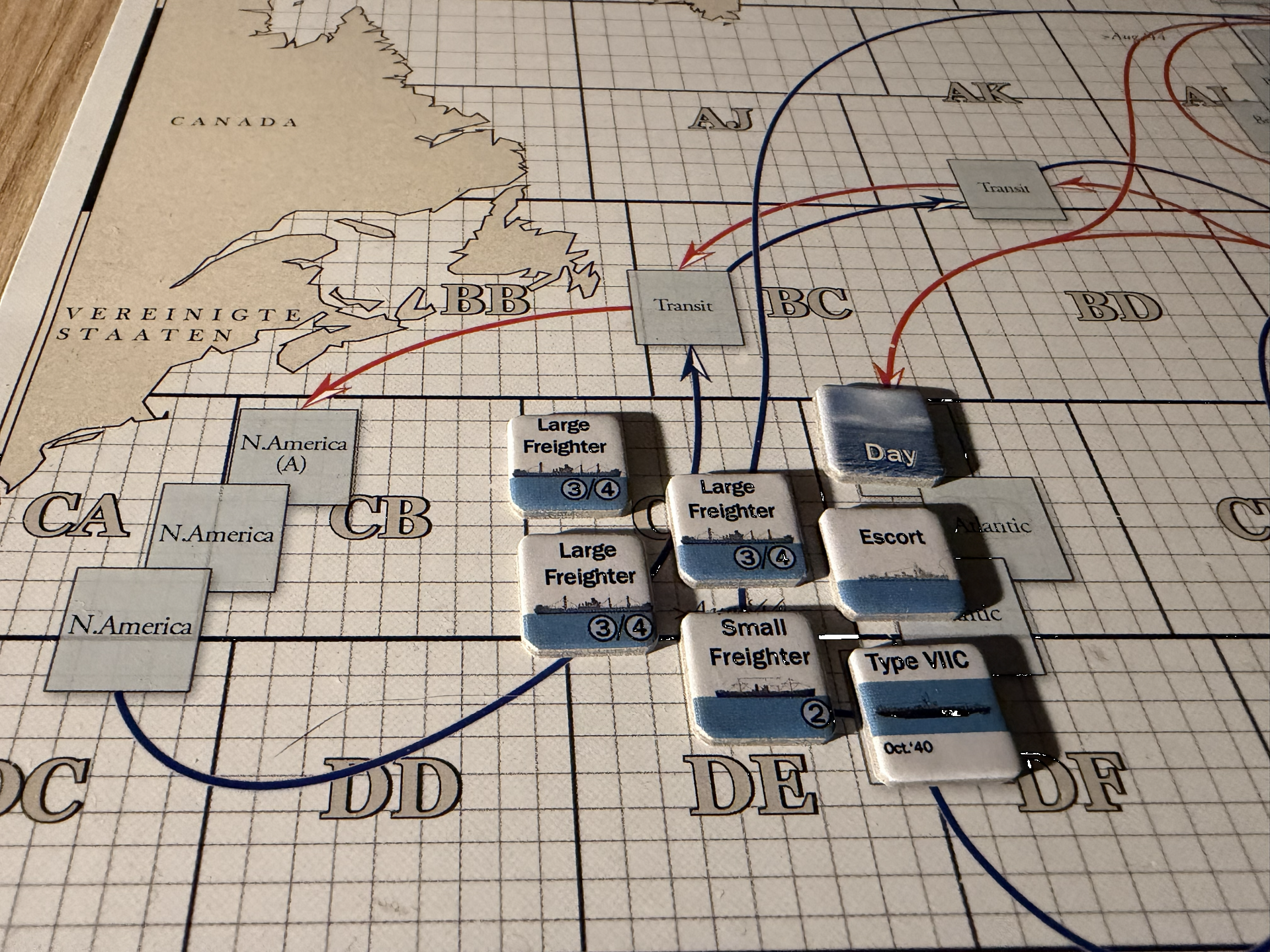
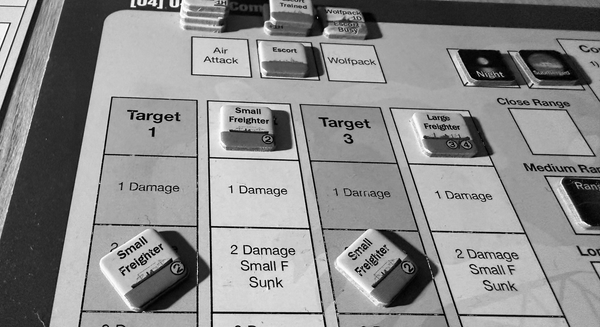
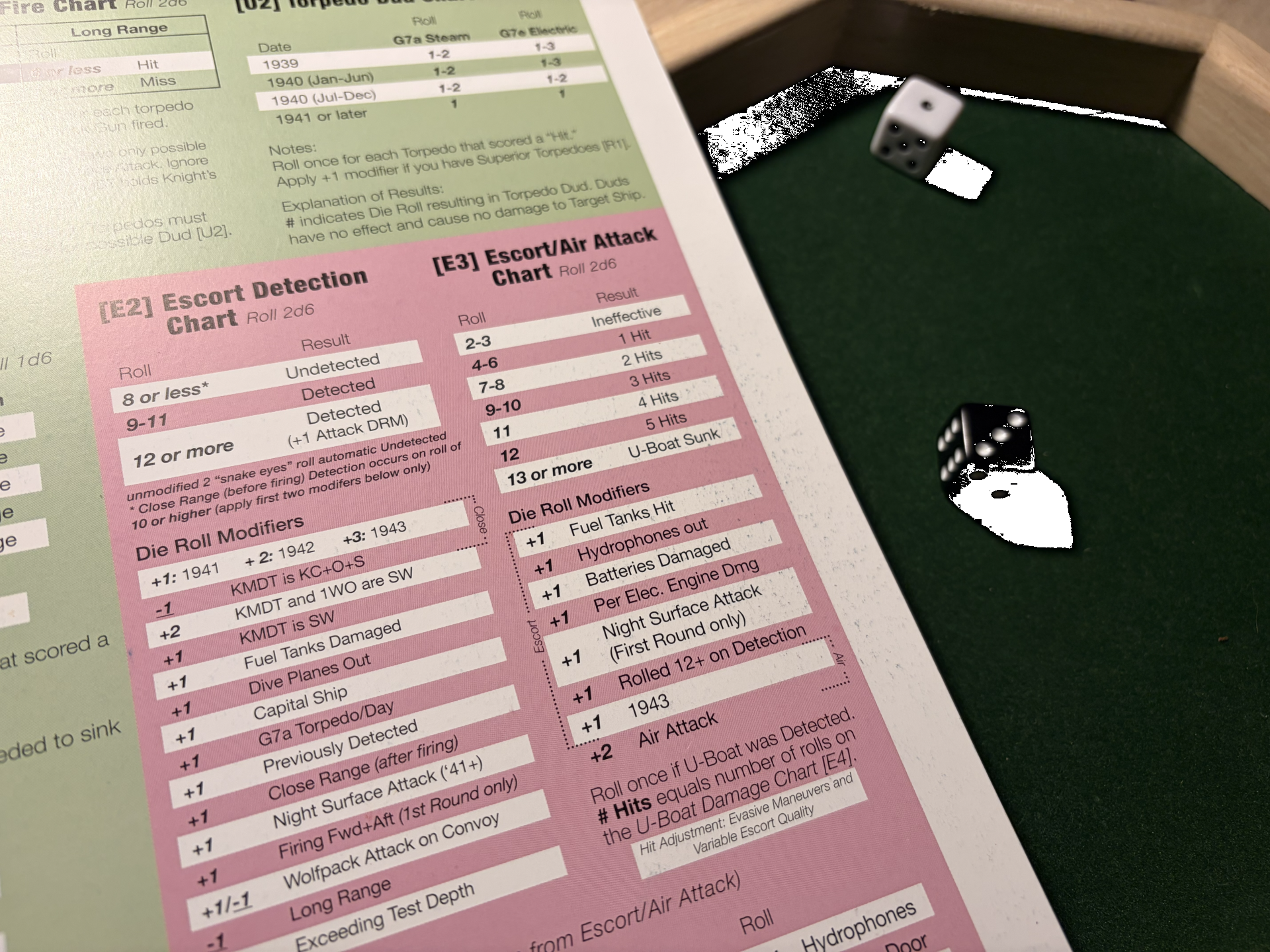
In the second sector, at night, another convoy appeared: Helena Margareta (3,300 tons), Thurso (2,600 tons), Estrellano (2,000 tons) and the large freighter Tajandoen (8,200 tons). Despite the presence of the wolfpack, the escorts in our immediate vicinity were very active and we would receive no help here. I decided on an aggressive approach, using four forward torpedoes, two at Helena Margareta and one each at Thurso and Estrellano. Tajandoen was too large to risk a partial salvo. We attacked submerged at long range and prepared to go deep immediately afterward.
Both torpedoes aimed at Helena Margareta missed. The shot at Thurso hit and detonated with catastrophic effect and she went down at once. The shot at Estrellano missed. The escort was trained and at first headed straight for us, but eventually veered off and lost the track. We broke away to reload and seek a new firing position.
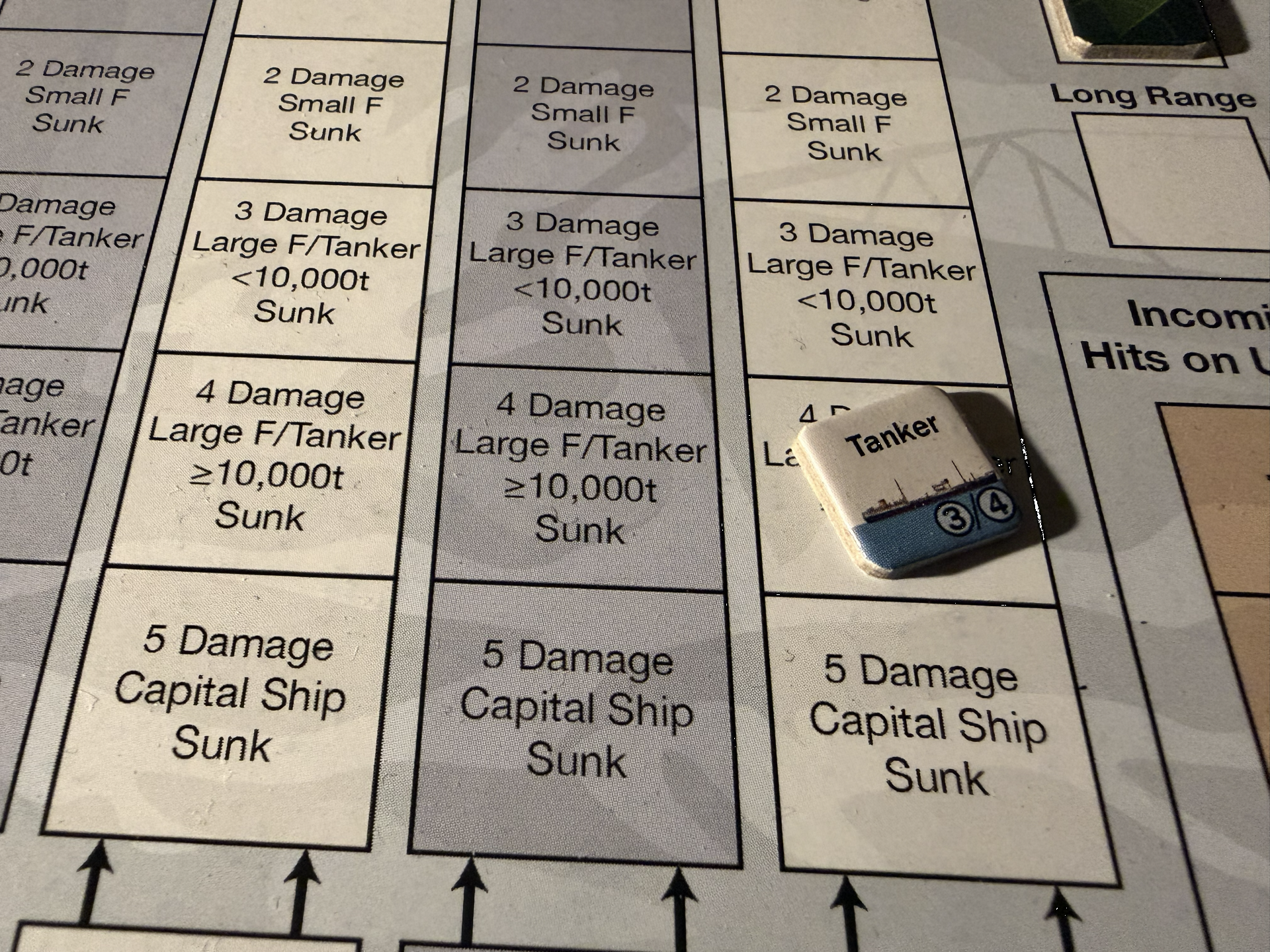
Fortune favoured us. The escorts were drawn off chasing other boats of the pack. We regained contact on Helena Margareta (still afloat), Belgravian (3,100 tons), Mount Nymettus (5,800 tons) and the tanker New Sevilla (13,900 tons). I closed to medium range submerged and committed all four forward tubes to the tanker. Three of the four struck and detonated. The cumulative damage broke her back. We went deeper and lost the escorts without difficulty.
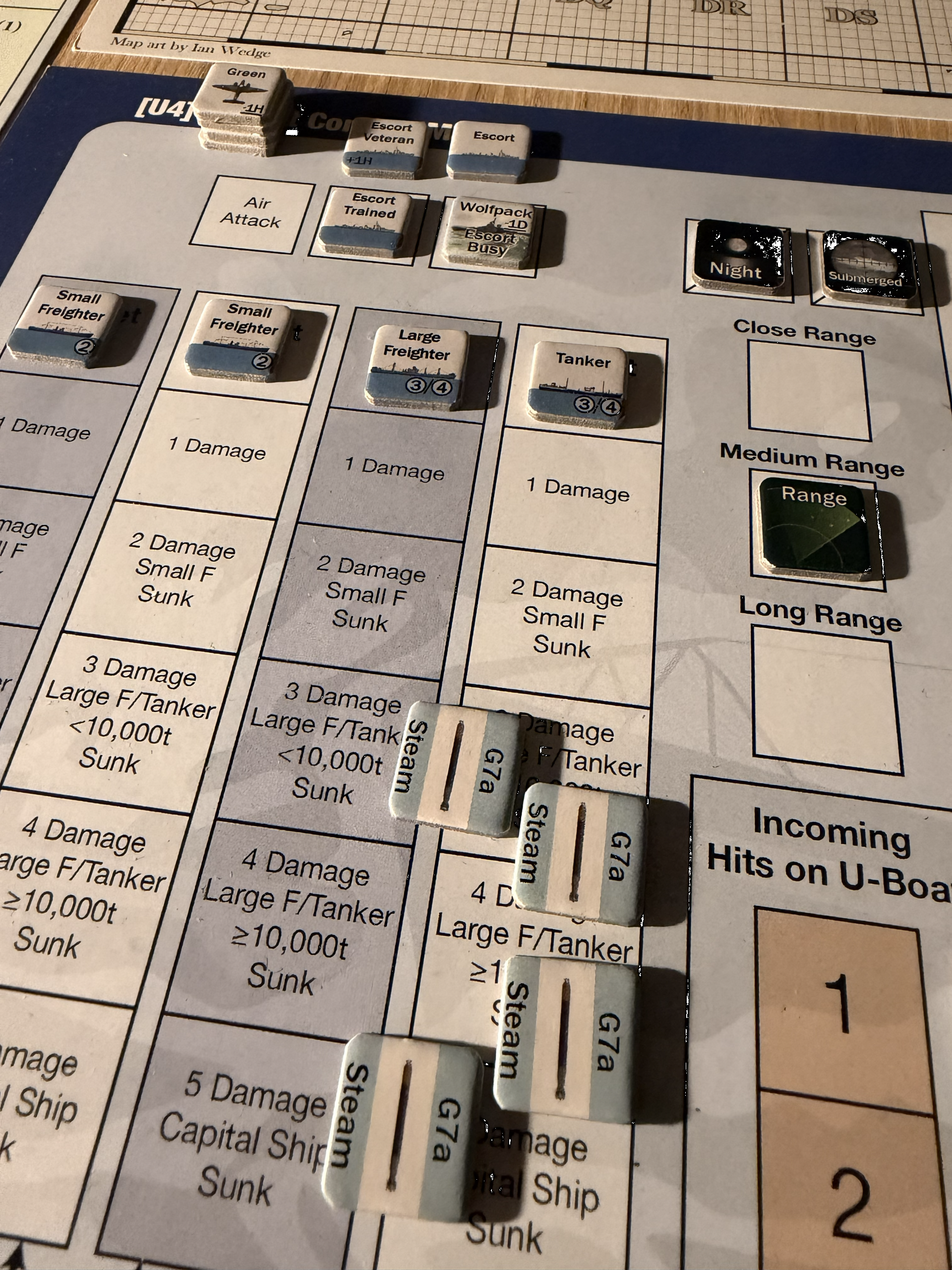
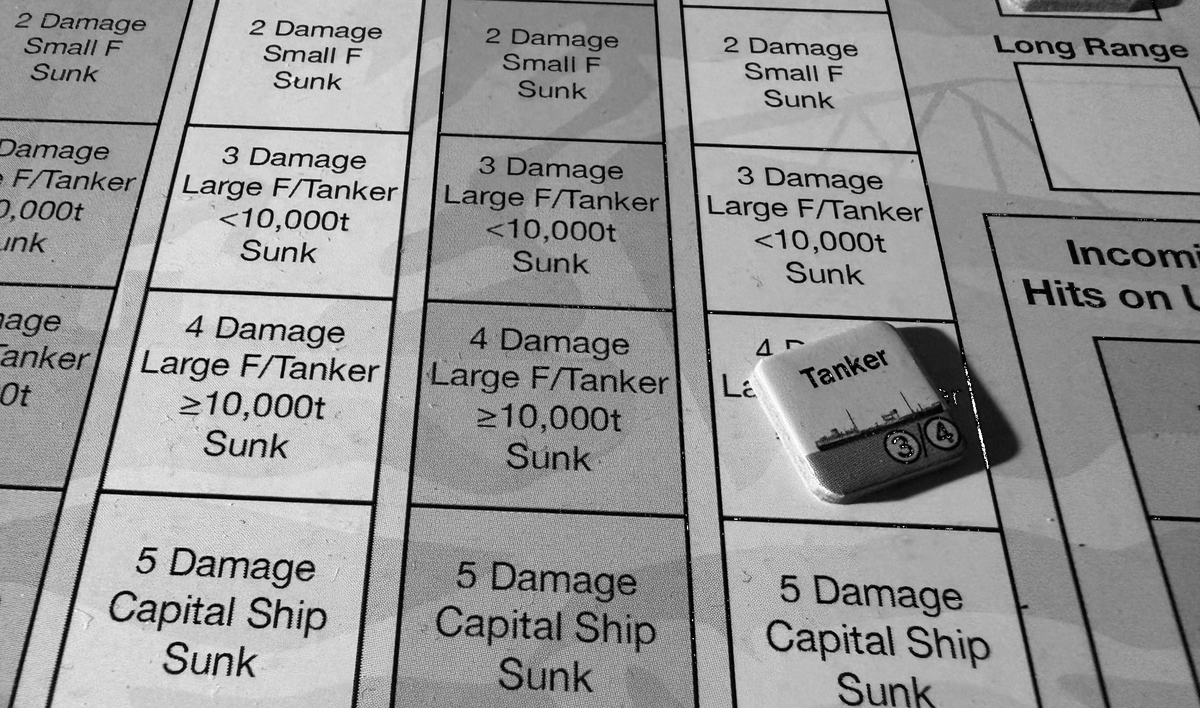
We reloaded and made a third successful approach while the escorts remained occupied elsewhere. New targets consisting of Denmark (3,500 tons), Dalcroy (4,600 tons), Balladier (3,300 tons) and the tanker Darkdale (8,100 tons). Only four slower G7Es remained forward. I concentrated every tube on Darkdale, again at medium range submerged. Two ran short and the other two hit and detonated. A massive breach opened in her hull and she went under. The men were ecstatic. Once more we slipped away cleanly.
We continued to shadow. The convoy was still thinly protected. Fresh targets appeared. Annavore (3,300 tons), Kafiristan (5,000 tons), Accra (9,300 tons) and the tanker Scottish Standard (7,000 tons). With only a single G7A left in the aft tube I took a shot at Kafiristan, the most manageable of the remaining ships for a single weapon. Medium range, just below the surface. The torpedo ran true, detonated, and Kafiristan blew apart.
This time an escort worked in close and gained a fix. Depth charges fell near us, but we manoeuvred clear and the pattern was ineffective. He circled back. I took the boat very deep. She held, and we lost him.
The crew were jubilant. With only one aft G7E remaining I broke off pursuit of the convoy and spent the next days searching for independents. The third and fourth Atlantic sectors were empty. Given the strain already placed on the hull I elected not to attempt a resupply and plotted course for home.
On the inbound transit some of the men floated the idea of a swim call once we reached quieter water. By October the North Atlantic is already bitterly cold and the requests were dismissed to their evident disappointment. We slipped through the Bay of Biscay without drawing the attention of Coastal Command.
We entered St. Nazaire to considerable praise. Four ships sunk for 29,600 tons, and at no point had we been in truly serious danger. In recognition of the aggression shown on the patrol I have been awarded the Knight’s Cross. A long list of the crew received the Iron Cross Second Class, officers, senior rates, engineers, torpedo men, radio personnel, and a solid number of the seamen who have carried the boat through the harder months.
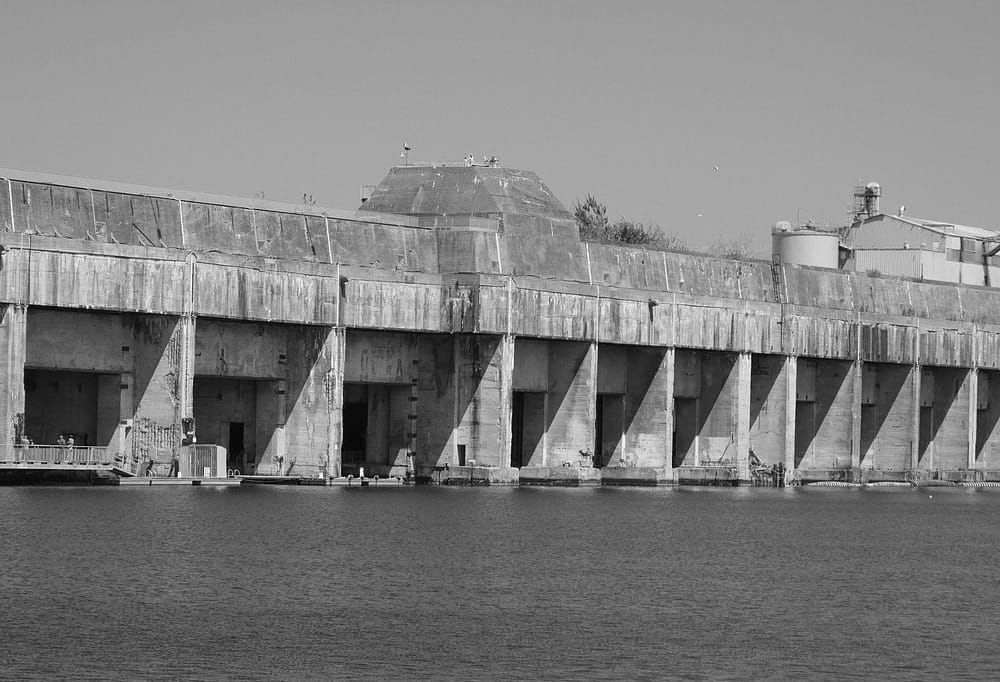
The repeated deep evasions have taken their toll. The boat will remain in the yards until January 1942. Flotilla command continues to remind me that ObLtzS Benno Pfefferberg is likely to receive his own command before long, but for the moment I have been able to keep him with us.
Context
The final months of 1941 saw continued but increasingly difficult U-boat operations in the North Atlantic. Convoy battles still occurred, SC 48, for example, suffered heavy losses in mid-October yet overall results were declining relative to the number of boats at sea. Allied escort groups and air cover continued to strengthen.
A significant political and military marker came on 31 October when U-552 sank the American destroyer USS Reuben James while she was escorting convoy HX 156. She was the first United States warship lost to enemy action in the war. November brought a sharp drop in North Atlantic sinkings.
The strategic picture changed completely in December. Japan’s attack on Pearl Harbor on 7 December was followed by Germany’s declaration of war on the United States on 11 December. This opened the prospect of operations against the weakly defended American eastern seaboard, though the immediate focus of the U-boat arm remained the North Atlantic through the end of the year.
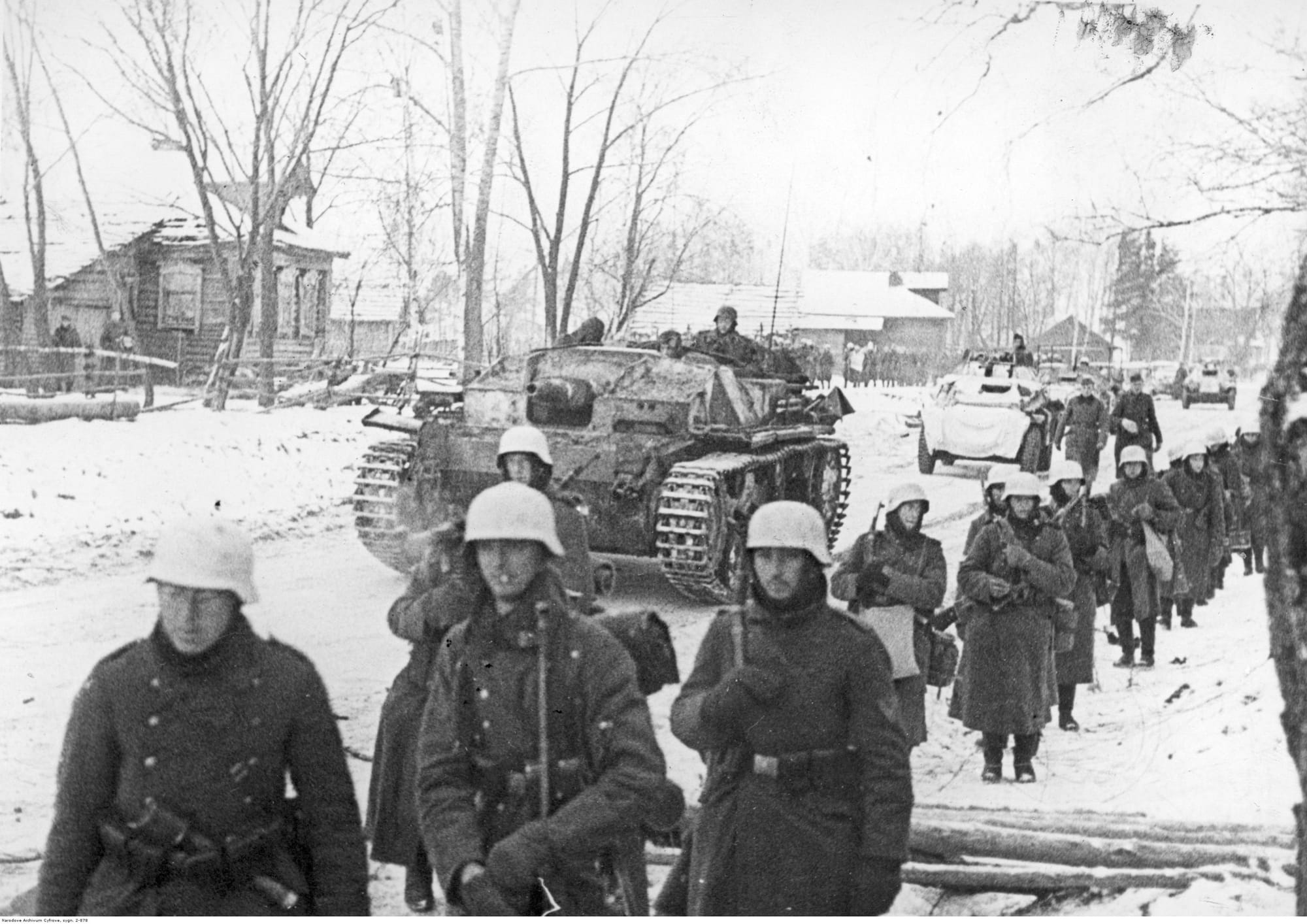
On the Eastern Front the German advance on Moscow stalled and the Soviet winter counter-offensive began. In North Africa, Operation Crusader was fought. The entry of the United States into the war transformed the global balance.
Commentary
Requesting assignment to wolfpacks seems to be the profitable and correct move. Although there is a small chance they will focus on us, 5 out of 6 times we'll get a nice DRM to evasion attempts.
Besides this, I tend to still focus my torpedoes on single ships, this seems to be doctrinally correct too.
This patrol just edged us over 100,000 tons sunk for our career, which grants us the Knight's Cross. By itself it gives us the ability to ignore the negative DRM for second salvo attacks on the surface, but the days of night surface attacks are long gone.
The commencement of war with the United States should open up new hunting grounds for us, but in the long term it will lead to greater pressure on the U-boats.