The Hunters: German U-Boats at War, 1939-43 - Patrol 1 (September 1939)
1/9/1939
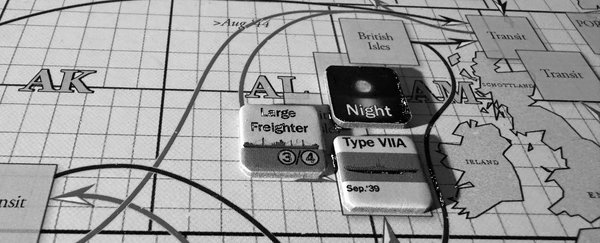
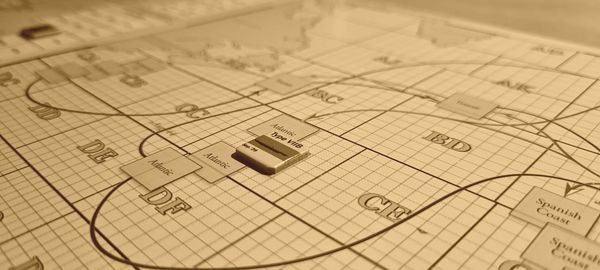
We left Wilhelmshaven on the morning of 6 September. The Ubootwaffe's orders were clear, the main effort would be against merchant shipping in the Western Approaches around the British Isles, with minelaying as a secondary task. A few boats were to be sent further south toward the Spanish and West African coasts, but those longer patrols suited the Type IX boats better. We were bound for the British Isles.
The first two transit sectors and our opening day in the operational area passed quietly. No smoke, no contacts. The sea felt almost empty.
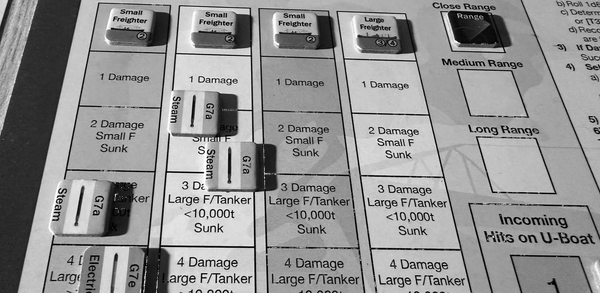
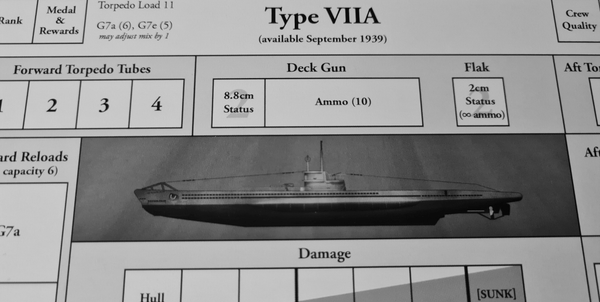
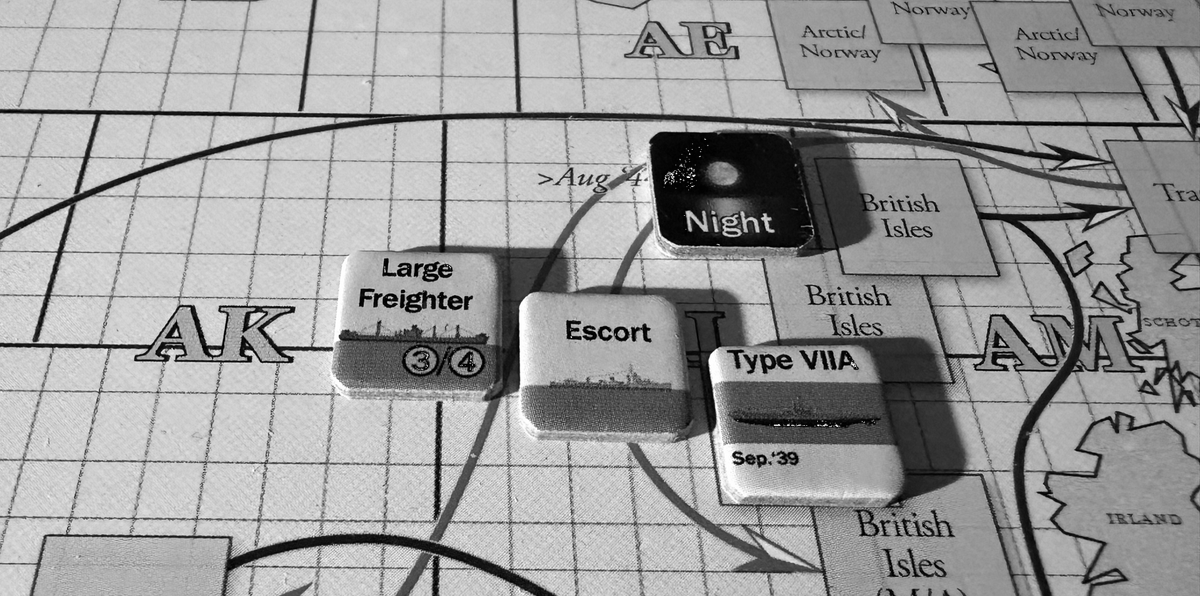
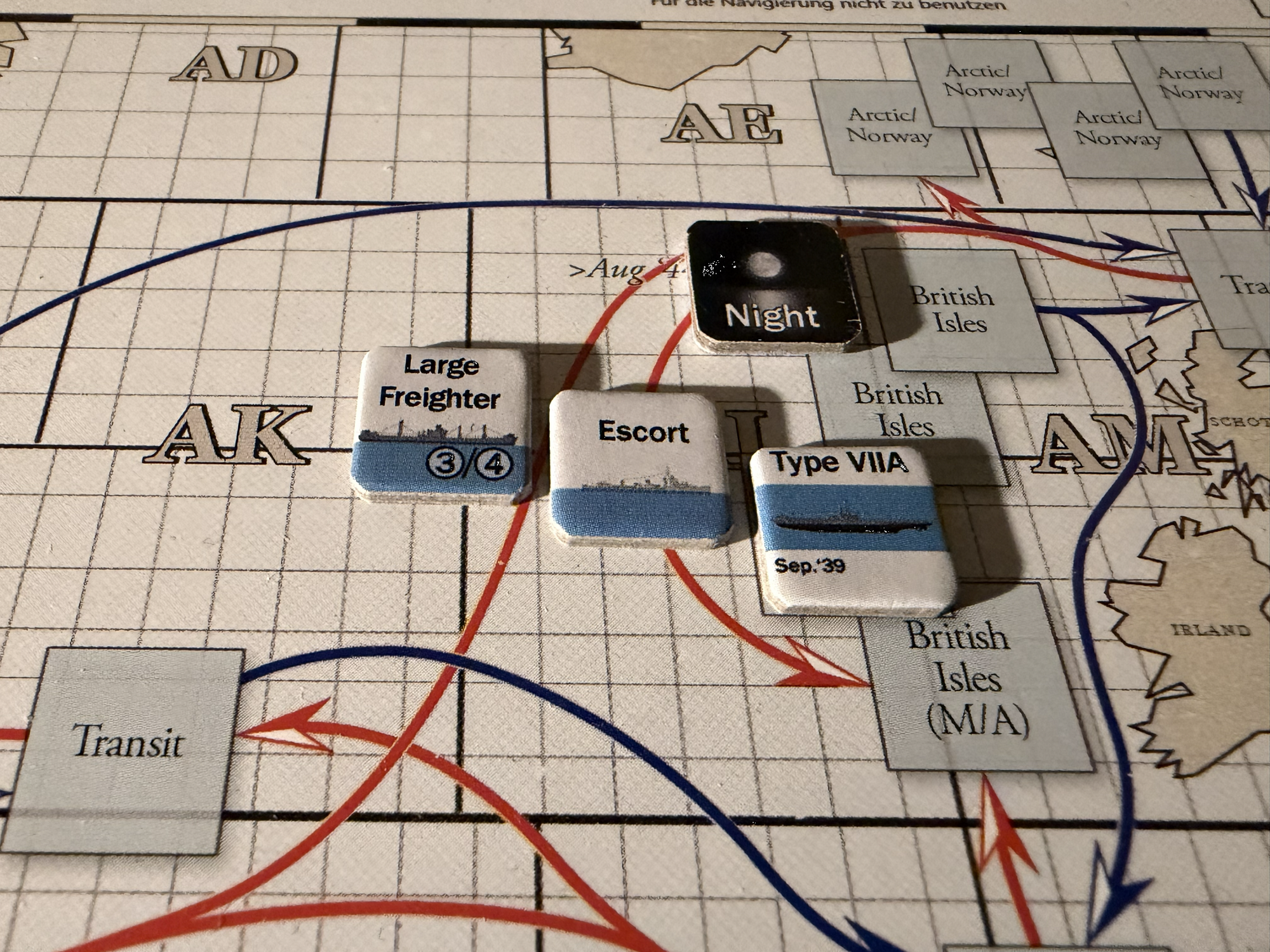
On the night of the 14th we found our first target in the second sector: a large freighter under escort, later identified as the Empire Endurance, 8,600 tons. I decided on a medium-range surface attack so we could make proper use of the UZO. The numbers on the G7A steam torpedoes suggested three solid hits should put her down, so we emptied all four forward tubes for insurance. Three ran true and detonated. One missed. The explosions were not dramatic, but they were enough. She began to settle. The enemy escort was green at this early stage of the war, almost unprepared for what befell them. We slipped away cleanly without having to take any drastic measures. Obersteuermann Reichart plotted us clear while the torpedo party under Dassler and Hertzog began the reload.
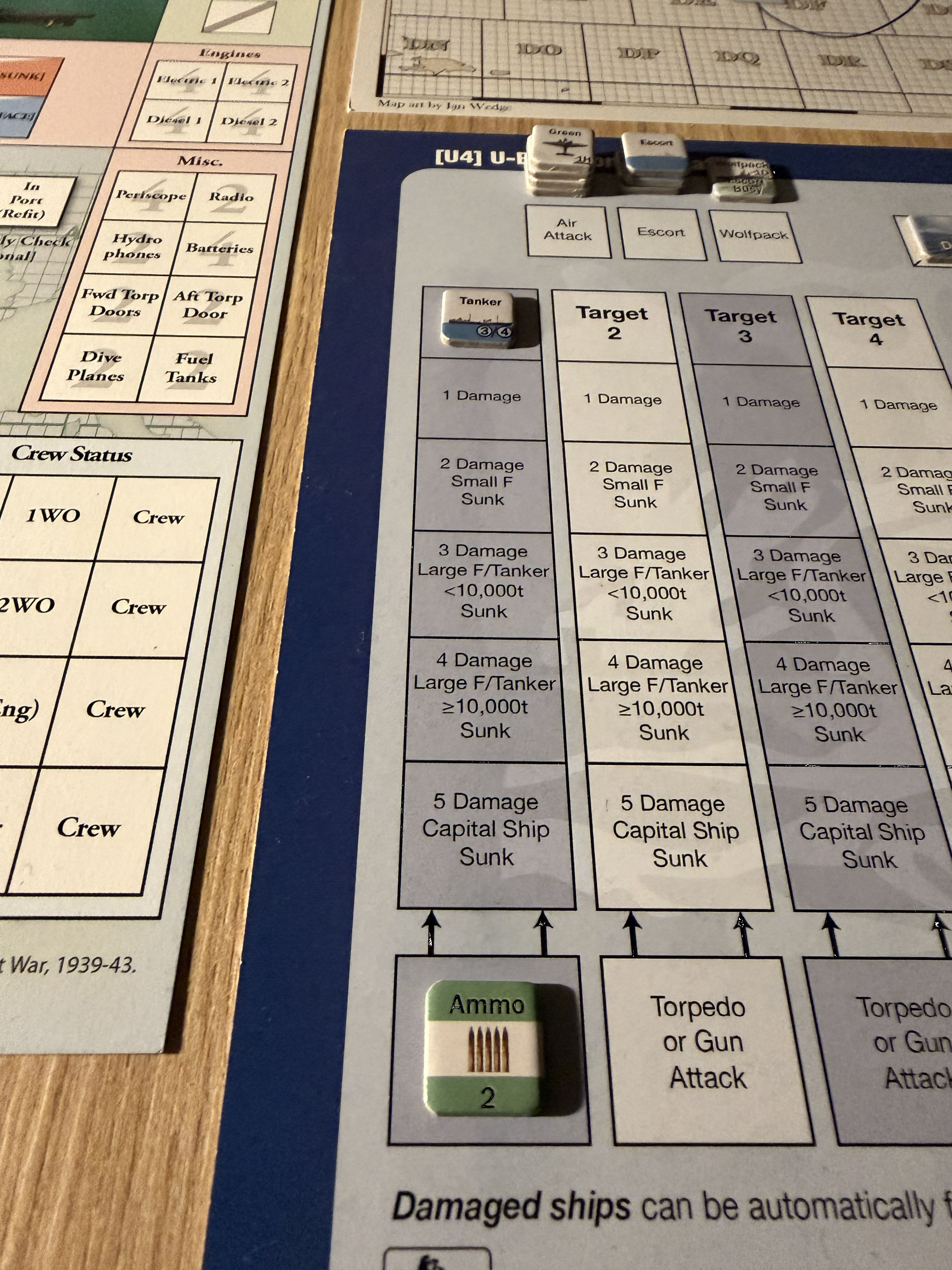
Two days later, in daylight, we came across an unarmed and unescorted tanker, Barbro, 6,300 tons. With no escort in sight and the coast uncomfortably close and not wanting to linger around too long, I closed to short range on the surface for the gun. One shell missed, the second hit and did light damage. Wanting to hurry the attack along, we tried a single forward G7E. It struck but failed to explode. The aft G7A followed with another hit and another dud. We had to break off to reload. No distress signal had gone out. Once the tubes were ready we went back in and finished her with two more rounds from the deck gun. She started to sink. The men were quiet afterwards, two duds in succession leave a sour taste.
On the night of the 19th we found a small freighter with escort: the Akenside, 2,700 tons. Fuel was already beginning to worry us, so I decided to spend the remaining forward torpedoes rather than save them for a rainy day. Three G7As and the last G7E went out. The electric missed. All three steam torpedoes hit and detonated. The ship simply came apart. The escort was more competent this time, but we still broke contact without real difficulty. Maschinist Mencken and his watch kept the boat steady through the evasion.
By then fuel was low and we had only a single torpedo left. Even if we had managed a replenishment, the chances of finding enough replacement torpedoes to make another stretch on station worthwhile seemed poor. I ordered us home.
The return transit was quiet. We exchanged signals with a sister boat with which we exchanged provisions due to our proximity to home before continuing our way to Wilhelmshaven.
We entered harbour at the end of the month with 17,600 tons to our credit across three ships. Gunnery had been steady, the torpedoes had performed better than many other boats were reporting, and our dud rate of 25% felt almost fortunate compared with the figures 33%-50% that were coming in from elsewhere. The evasion drills had worked as practised.
The crew of U-34 was commended by BdU for their aggression and skill, with gunnery accuracy of 75% and torpedo accuracy of 80% (not accounting for duds). In the end we were one of the more successful boats in this initial thrust against British shipping.
Refit and repairs would see us through to the start of November 1939.
It had been a clean first patrol. We were still learning the weight of the weapons we carried, but the boat and the crew had done their work.
Context: Despite the small number of boats, the first two months produced notable result: September 1939 saw around 50 merchants sunk for 190,000t. The success was bolstered by the sinking of HMS Courageous on 17 September by U-29, but the u-boats remained spread thin.
The two issues were:
• Torpedo reliability, on both the G7A and G7E variants in faulty pistols, premature detonations and depth-keeping errors, reducing the effectiveness of otherwise well-executed engagements.
• British counter measures, mainly in the institution of the convoy system (first convoys sailing in mid-September)
From the German perspective the opening phase was considered promising. A small force had inflicted meaningful losses and demonstrated that Britain’s maritime supply lines were vulnerable. Dönitz used the results to press for a much larger u-boat building programme, arguing that 300 boats would be required for a decisive campaign.
The British perspective was that the losses were serious but not yet critical. The rapid introduction of convoys, combined with the still-small number of u-boats, prevented a true crisis in the autumn of 1939. The real tonnage war was only beginning.
Commentary: The campaign has gotten off to a good start. I had a few good rolls on attacks and evasion which kept us out of hot water, we'll have to see how long that lasts.
Attacks were nice and simple with each only yielding a single target, and we were lucky that both escorted encounters occurred at night which gives us a significant edge in this phase of the campaign, so the decision-making process was relatively straight forward.
Not wanting to tangle too much with escorts, I made my attacks very aggressive when targets were under escort rather than getting into the business of multiple approaches, but I backed off when I had the luxury of time.
The only real series of decisions came in the last encounter when I had to decide how many torpedoes to fire at a small freighter. I opted for four which is probably overkill in most cases. My reasoning was that electric torpedoes at this point were still extremely flaky, and had I conserved, I'd still only be left with a pair of electricals, which as we said are flaky.
Resupply would have been an option at this point, but this exercise would have delayed us by a month to our next patrol, and in the unlikely event that we even got resupplied, it was unlikely that I'd receive a good stock of torpedoes for another cycle of patrolling our mission area, hence why I opted for home.